Every year on 7 September, the world observes the International Day of Clean Air for Blue Skies, drawing attention to one of the most fundamental requirements of human life: the right to breathe clean air.
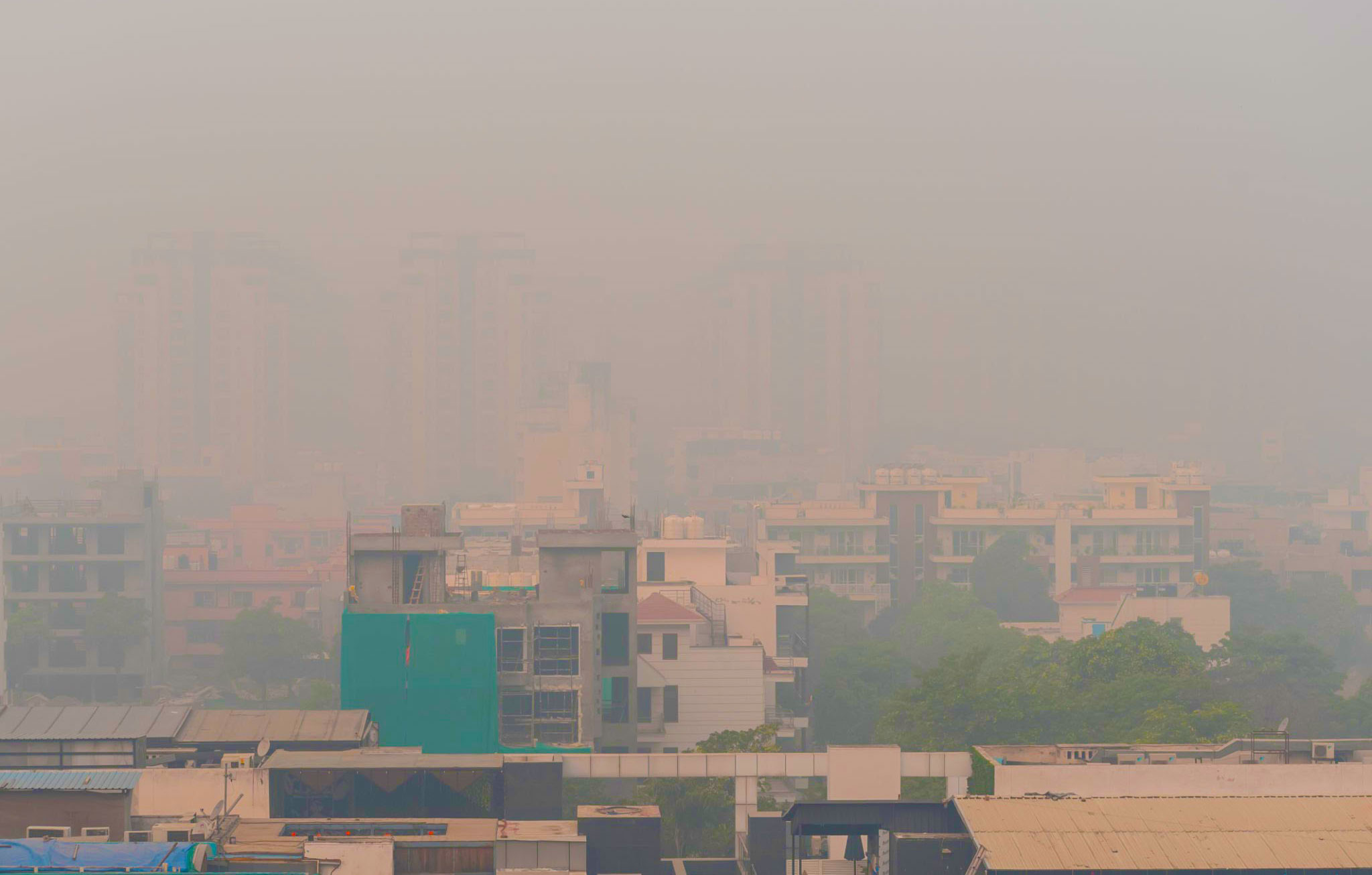
Air is everywhere, yet its value is often noticed only when it becomes polluted. In many cities, including Dhaka, a clear blue sky can increasingly feel like a rare luxury. Dust from construction, vehicle emissions, industrial activities, brick kilns, road traffic and the open burning of waste all contribute to deteriorating air quality.
Why Clean Air Matters
Air pollution is one of the world's leading environmental health risks. Much of the danger is invisible. Fine particulate matter can penetrate deep into the lungs and, in some cases, enter the bloodstream. Long-term exposure can increase the risk of respiratory and cardiovascular diseases, while also affecting children's health and development.
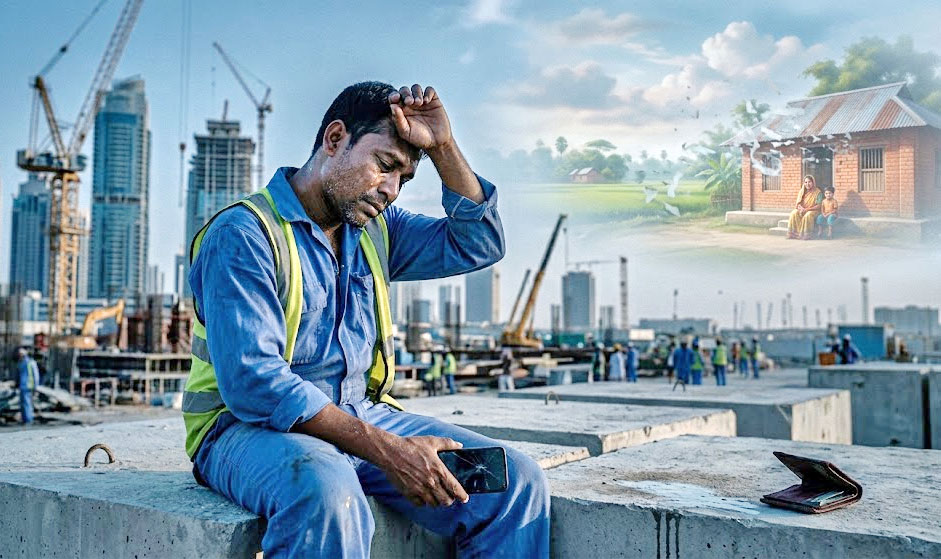
The consequences extend far beyond hospitals and households. Poor air quality can reduce productivity, increase healthcare costs, affect workers' well-being and place a significant economic burden on society. Air pollution also damages ecosystems, crops and biodiversity and can contribute to climate change through pollutants such as black carbon.
Clean air, therefore, is not simply an environmental issue. It is a public health, economic and social issue.
The Purpose of the Day
The International Day of Clean Air for Blue Skies aims to strengthen global awareness of air pollution and encourage collective action to address it. It calls upon governments, businesses, communities and individuals to work together to improve air quality and build healthier and more sustainable societies.
The observance encourages governments to strengthen clean-air policies and enforcement, while promoting renewable energy, cleaner transportation and environmentally responsible development. It also reminds individuals and communities that everyday choices can contribute to reducing emissions.
A Growing Urban Challenge
The challenge is particularly significant for rapidly growing cities. Economic development brings more vehicles, construction, industries and energy consumption. Development itself is not the problem; the real challenge is ensuring that economic progress does not come at the cost of the air we breathe.
For cities such as Dhaka, addressing air pollution requires coordinated and sustained action. Stronger enforcement of air-quality regulations, better monitoring systems, improved public transportation and effective control of industrial, construction and vehicular emissions are essential.
At the same time, responsible waste management, protection of trees and green spaces, and greater public awareness can make a meaningful difference.
Everyone Has a Role
Governments and institutions have a critical responsibility, but individuals are not powerless. We can walk or cycle when practical, use public transportation, conserve electricity, avoid burning waste, protect trees and green spaces, and support cleaner and more sustainable practices.
These may appear to be small actions, but millions of responsible choices can create a significant collective impact.
Perhaps the most important change is to stop treating clean air as someone else's responsibility. We cannot build a healthy and prosperous society while accepting polluted air as an unavoidable price of urban life.
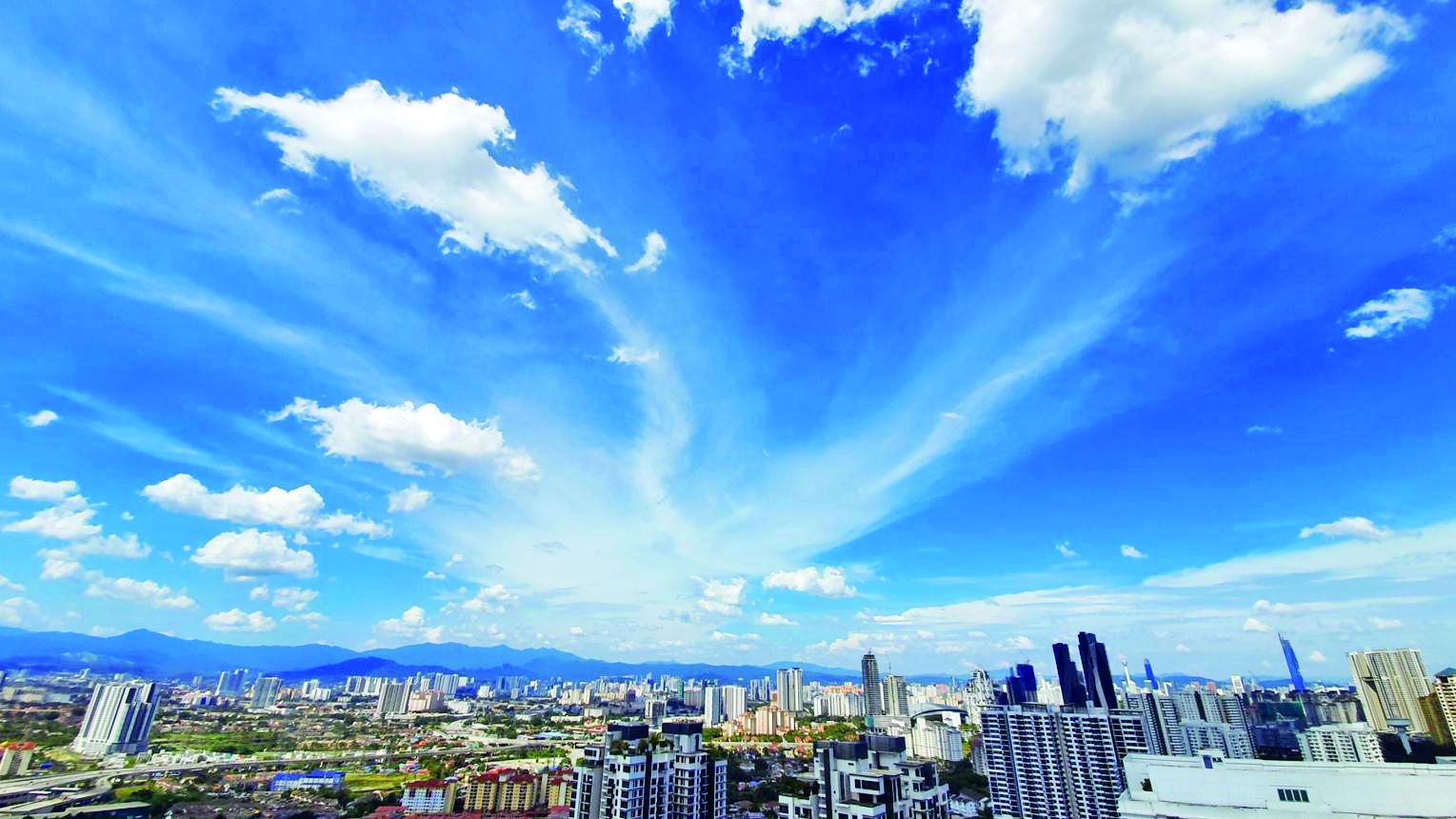
A blue sky is more than a beautiful sight. It represents a healthier environment, a safer future and a better quality of life.
This International Day of Clean Air for Blue Skies, let us remember that environmental responsibility begins with something as simple—and as essential—as every breath we take.
Clean air should not be a privilege enjoyed by a few. It should be a right protected for everyone.