Bangladesh stands at a critical juncture where political transitions must translate into tangible governance reform. The fervor for institutional accountability and democratic renewal remains high, but citizens are confronting a pragmatic reality daily: rising living costs, law-and-order friction, and a urgent need for institutional stability. To secure the foundation of the nation's future, policy must shift from rhetoric to administrative precision.
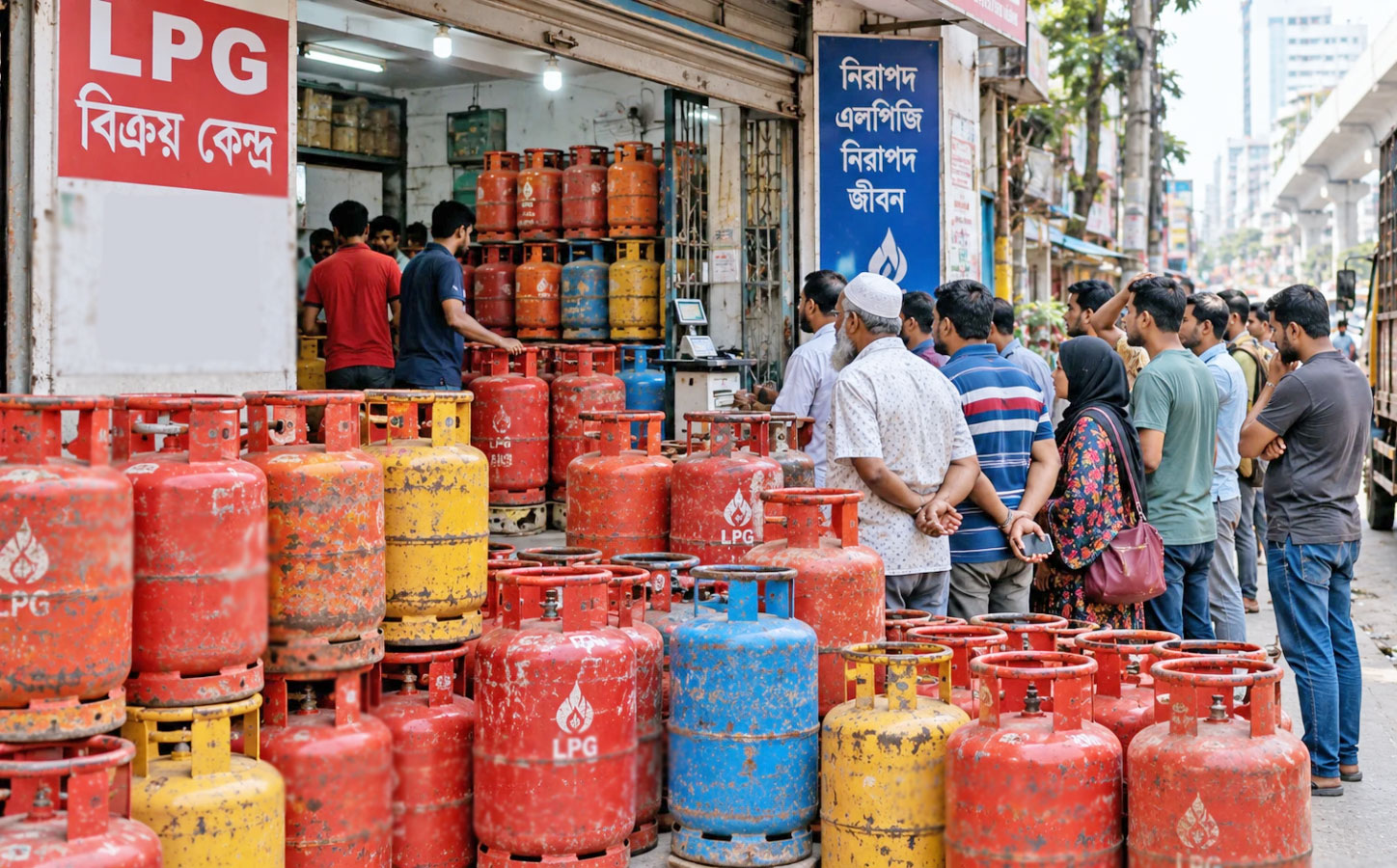
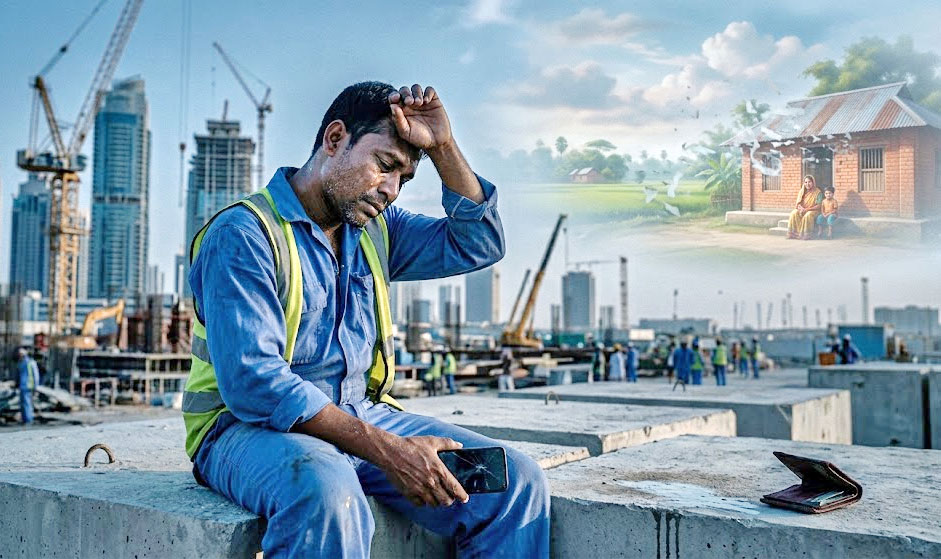
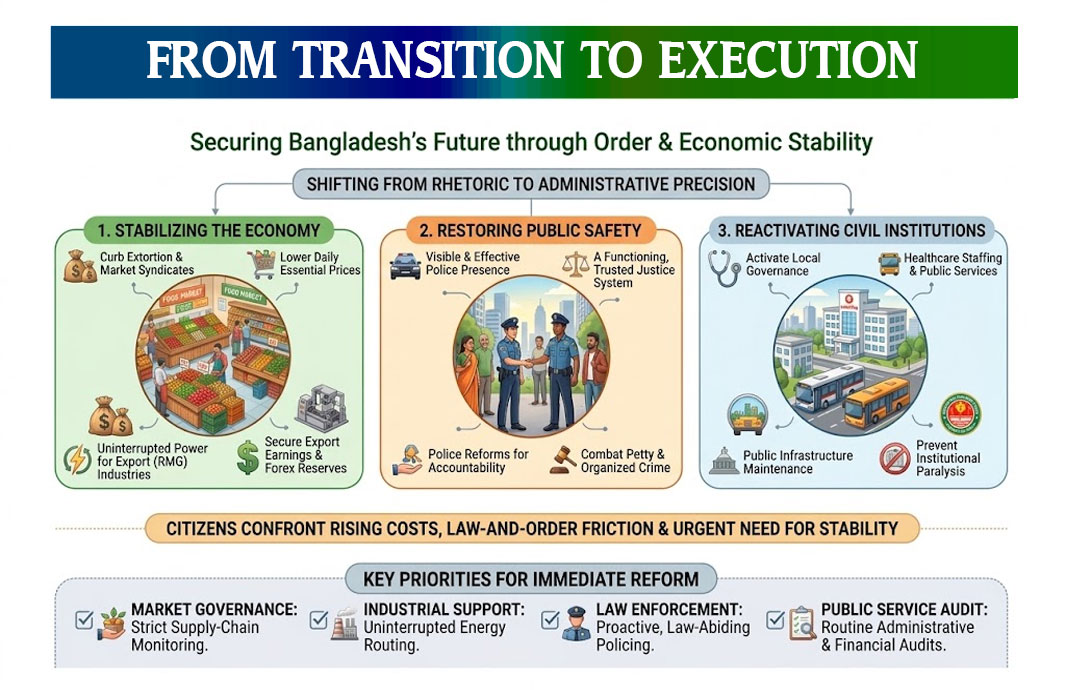
First, stabilizing the economy is non-negotiable. High inflation in basic consumer goods continues to strain middle- and low-income households. While monetary adjustments offer macroeconomic signals, micro-level market management—curbing extortion along supply chains and eliminating market syndicates—is essential to lowering food prices. Restoring uninterrupted power and gas supplies to export-oriented manufacturing units, particularly the Readymade Garments (RMG) sector, remains paramount to securing export earnings and forex reserves.
Second, public safety and institutional trust must be restored swiftly. Assurances alone cannot replace a visible, effective police presence. A functioning justice system relies on civilian confidence, which requires police reforms aimed at accountability rather than politicization. Combating petty and organized crime across urban centers and industrial belts is critical not only for public security, but also for rebuilding investor confidence.
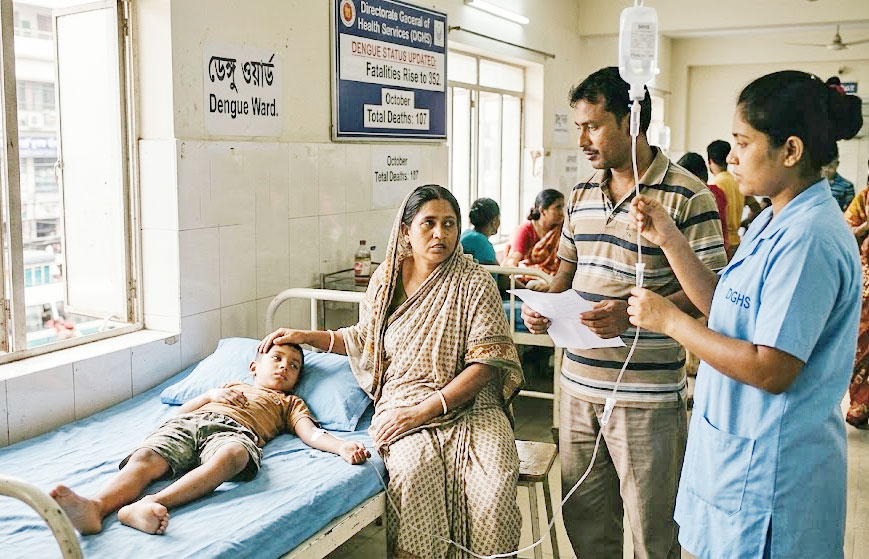
“Above all, public services and local governance must fully reactivate immediately. Critical infrastructure, public healthcare, and civil institutions cannot be allowed to stall.”
Key Priorities for Immediate Reform
- Market Governance: Enforce strict supply-chain monitoring to eliminate artificial price markups on daily essentials.
- Industrial Support: Ensure uninterrupted energy routing to export-oriented industries to sustain foreign trade.
- Law Enforcement: Re-establish proactive, law-abiding policing across urban and rural police jurisdictions.
- Public Service Audit: Conduct routine administrative and financial audits across government entities to address systemic leakages.
Political and social transitions derive their legitimacy not from lofty promises, but from the delivery of basic stability, safety, and economic security. Bangladesh’s immediate task is to turn institutional reform into daily administrative execution. Without a grounded focus on public security and price stability, long-term democratic reforms risk losing the vital support of the citizens they are meant to serve.
Financial Mirror/AH