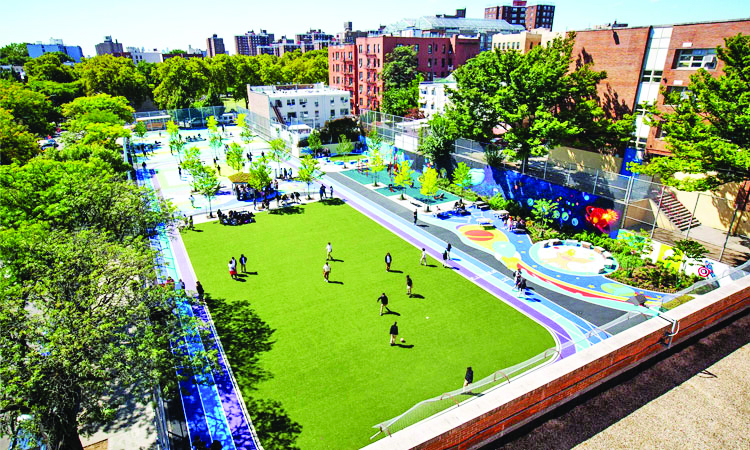
Rapid urban growth has left many cities facing a severe shortage of open public spaces. Acres of high-value government land often fall into decay, becoming illegal waste dumping zones, unmanaged roadside dumpsters, or informal settlements. Reclaiming these state-owned properties and transforming them into accessible playgrounds, green parks, and walking tracks offers a transformative opportunity to boost public health, civic pride, and overall societal well-being.
When government land remains unmanaged, it frequently degenerates into an environmental and social burden. Open waste dumps produce foul odors, harbor disease-carrying vectors, and leach toxins into local soil and groundwater. Simultaneously, unplanned encroachments reflect a wider housing deficit while depriving surrounding neighborhoods of essential open air.
Without accessible green infrastructure, urban residents face serious consequences:
Sedentary Lifestyles: Lack of nearby recreational spaces encourages physical inactivity, accelerating rates of hypertension, diabetes, and cardiovascular disease across all age groups.
Childhood Stagnation: Children in concrete-heavy environments spend less time outdoors, missing out on physical play that is crucial for motor skill development, social bonding, and eyesight health.
Mental Fatigue: Densely populated neighborhoods lacking natural greenery report higher stress levels, anxiety, and social isolation among residents.
The Transformative Power of Green Infrastructure
Replacing waste zones and neglected plots with vibrant public parks fundamentally alters a city's social fabric.
1. Physical Health and Active Living
Dedicated walking and jogging tracks give senior citizens, working professionals, and homemakers a safe space for daily exercise. Regular physical activity reduces chronic disease burdens and lowers healthcare expenses for families.
2. Social Cohesion and Happiness
Public parks serve as equalizing spaces where people of all socio-economic backgrounds interact. Children play together, adults converse, and community events flourish. This shared space strengthens neighborhood safety and builds a sense of belonging.
3. Environmental and Microclimate Restoration
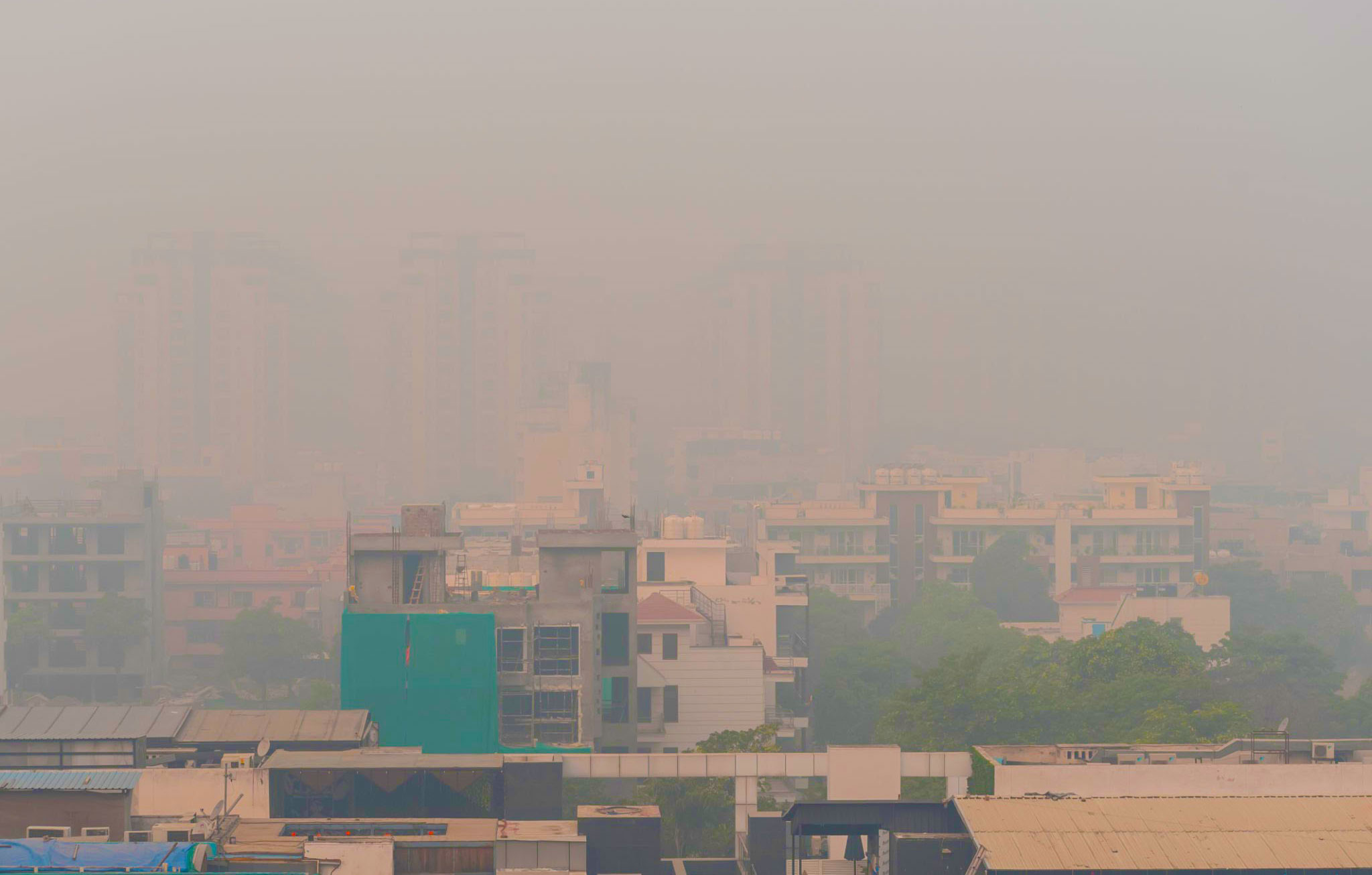
Trees and greenery reduce the "urban heat island" effect, absorb airborne pollutants, and improve local air quality. Soft, grassed ground also facilitates rainwater absorption, alleviating seasonal urban drainage problems.