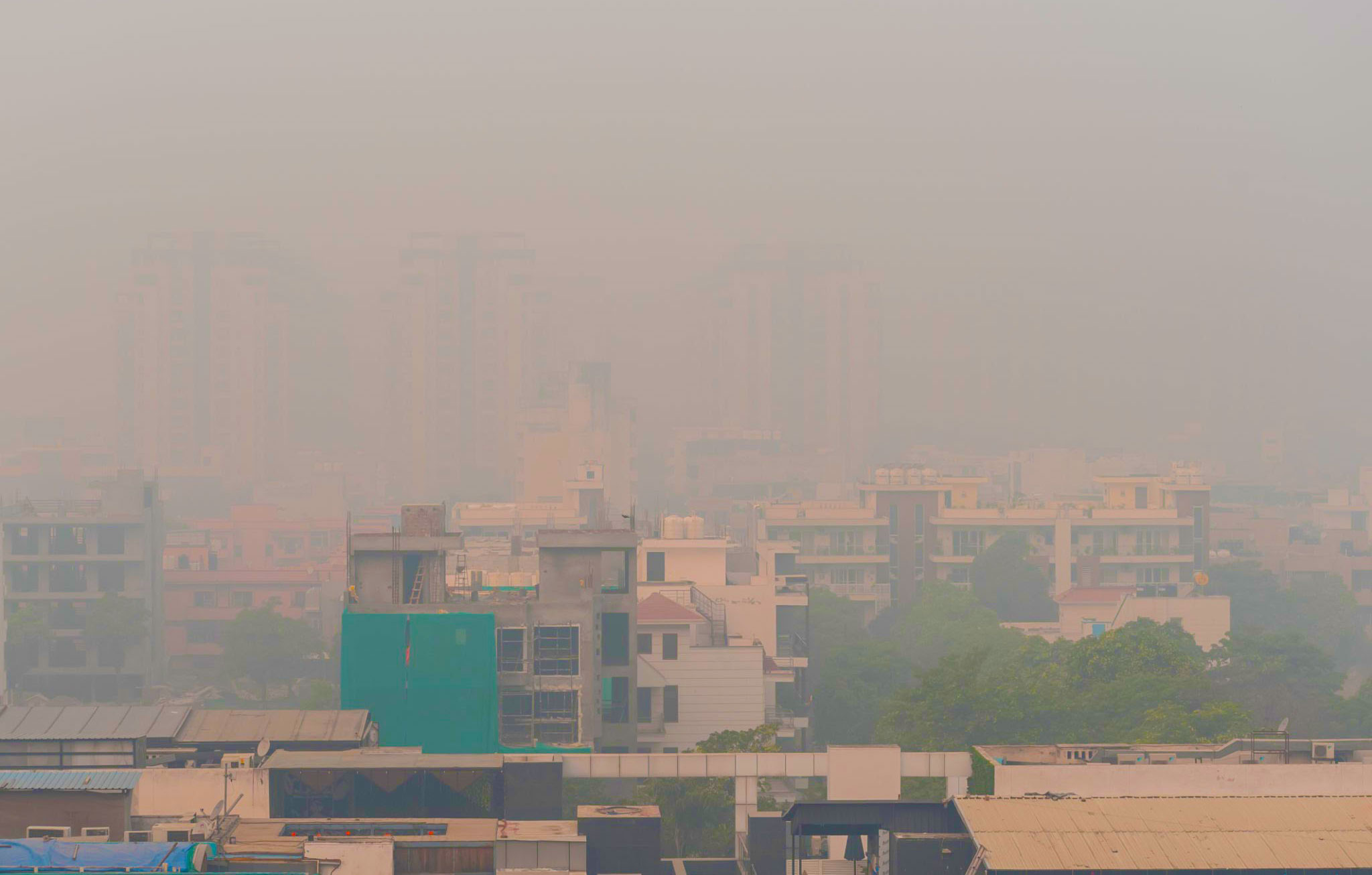
Before the morning's gentle light fully blooms, a strange blanket of grey smog descends over the city. While it might look like a serene morning fog at first glance when opening a window, it is actually a deadly mixture of smoke and harmful dust particles—now widely known as toxic smog.
Simply taking a breath has become a major risk. The alarming levels to which air quality is deteriorating daily—especially in the capital city Dhaka and its surrounding areas—is no longer just an environmental statistic; it is a direct battle for our survival. Not only during winter, but even throughout other times of the year, Dhaka repeatedly tops the list of the world's most polluted cities on the global Air Quality Index (AQI).
It is not just the capital Dhaka or the industrial hub Gazipur; breathing deeply has now become difficult even in smaller and larger district towns across the country. Dhaka repeatedly ranks among the cities with the most toxic air on indices monitored by global air quality surveillance organizations. However, this is no longer merely news about environmental statistics; it is a silent pandemic striking at our public health, economy, and overall way of life.
Why Is Our Air So Toxic?
The air did not become polluted overnight or due to a single reason. Our daily lifestyle choices, a lack of effective policies, and unplanned urbanization have collectively created this crisis:
- Brick Kilns and Outdated Technology: Hundreds of brick kilns established along the city fringes are among the largest sources of air pollution. Many kilns still burn coal and wood using old methods without modern technology or Zigzag kilns, emitting low-grade, high-polluting smoke.
- Unplanned Construction and Open Dust: During road excavations, flyover construction, or high-rise building projects, rules regarding spraying water or keeping sites covered are rarely followed. Fine particulate matter floating in the air ($PM_{2.5}$ and $PM_{10}$) enters human lungs directly.
- Unfit Vehicles and Black Smoke: Expired and unfit buses, trucks, and lorries regularly emit toxic black smoke (containing sulfur dioxide and nitrogen oxides), making the city’s air increasingly toxic by the day.
- Waste Burning and Industrial Emissions: Due to the absence of designated waste management systems, plastic, polythene, and household waste are burned out in the open. Additionally, uncontrolled gases and toxic fumes from industrial zones spread into the air.
- Geographical and Seasonal Effects: During winter, dry weather and slow wind speeds trap pollutants close to the ground, exacerbating the situation significantly.
What Can We Do to Overcome This Crisis?
No matter how deep the problem goes, air pollution can be reduced substantially with strong willpower and proper planning.
Enforcement of Laws and Policies
- Enforce strict mandates to replace traditional brick kilns with eco-friendly modern technology or concrete blocks.
- Ban unfit vehicles from the roads entirely and encourage the use of electric and hybrid vehicles.
Strict Rules in the Construction Sector: Enforce mandatory rules to enclose all development projects or construction sites and spray water at least two to three times a day.
Greening and Environmental Protection: Systematically planting trees across cities and protecting water bodies is vital. Trees absorb harmful pollutants directly from the air.
Waste Management: Stop open-air waste burning and ensure scientific recycling methods are implemented.
Regional Initiatives: Air pollution does not stay confined within a single border. Joint diplomatic initiatives with neighboring countries are required to tackle cross-border air pollution.
Clean air to breathe is a fundamental human right. Today, the people of Bangladesh are trapped in an uncertain cage of toxic air. To emerge from this crisis, we must all work together. Alongside government action, awareness and responsibility at the individual and societal levels are indispensable. If we take the right steps toward environmental conservation, we can hand over a healthy, green, and vibrant Bangladesh to our future generations.
Through detailed planning and effective initiatives, we can ensure that Bangladesh no longer remains under the shadow of toxic air, but transforms into a country filled with clear, clean, and healthy air. Every single contribution counts in making this dream a reality.
Financial Mirror/AH