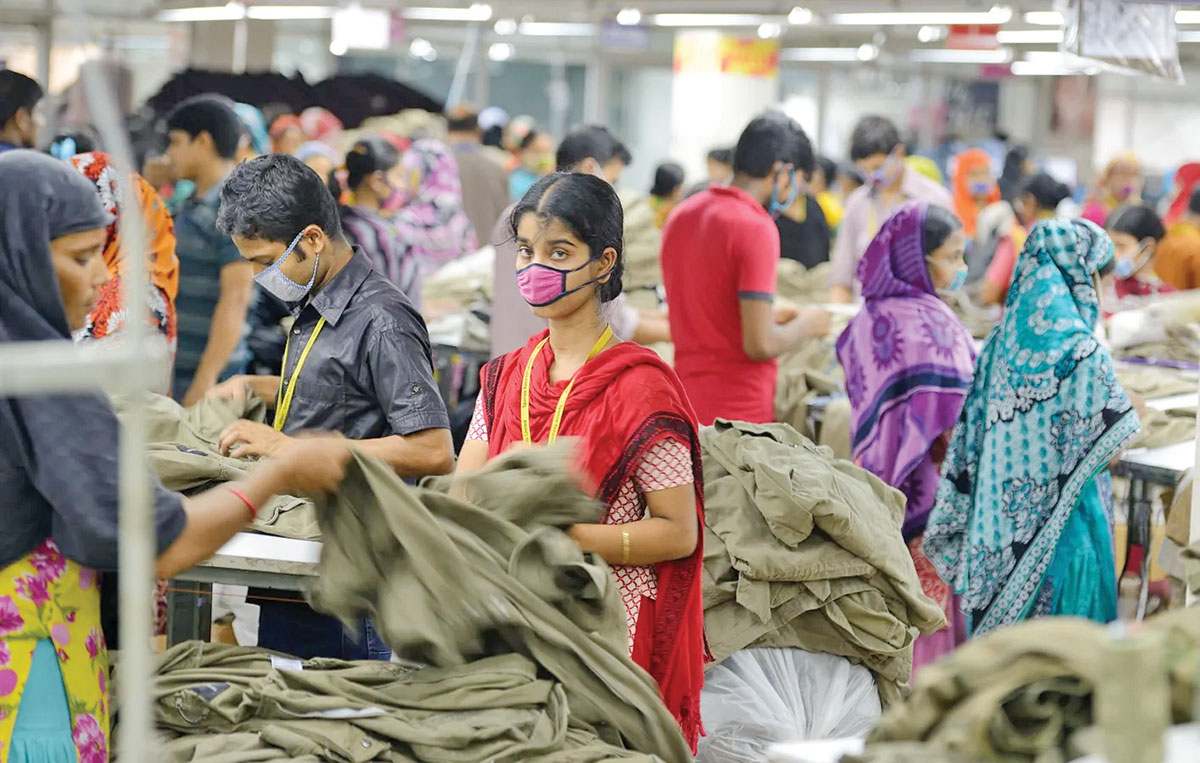
Bangladesh’s readymade garment sector—already navigating a labyrinth of domestic energy shortages and shifting global trade dynamics—has found itself locked in a fresh policy standoff.The country's twin apparel apex bodies, the Bangladesh Garment Manufacturers and Exporters Association (BGMEA) and the Bangladesh Knitwear Manufacturers and Exporters Association (BKMEA), have jointly pressed the Ministry of Commerce to immediately suspend or scrap a newly introduced barrier under the Import Policy Order 2026–2029.
At the heart of the friction is Sub-clause 12 of Clause 25, which designates knit fabrics as ineligible for import.While the restriction appears aimed at protecting local textile output, industry leaders argue it fundamentally misjudges the operational realities of export-oriented manufacturing.
In separate letters dispatched to the commerce ministry, BGMEA President Mahmud Hasan Khan and BKMEA President Mohammad Hatem painted an urgent picture of an industry caught off guard.Khan emphasized that global fashion supply chains thrive on strict deadlines and deep customization.International buyers routinely demand precise quality standards, specific colors, intricate textures, and rapid turnaround times—specifications that domestic spinning and knitting mills cannot always fulfill at scale.Barring overseas sourcing, he warned, threatens to fracture production lines and compromise delivery schedules.
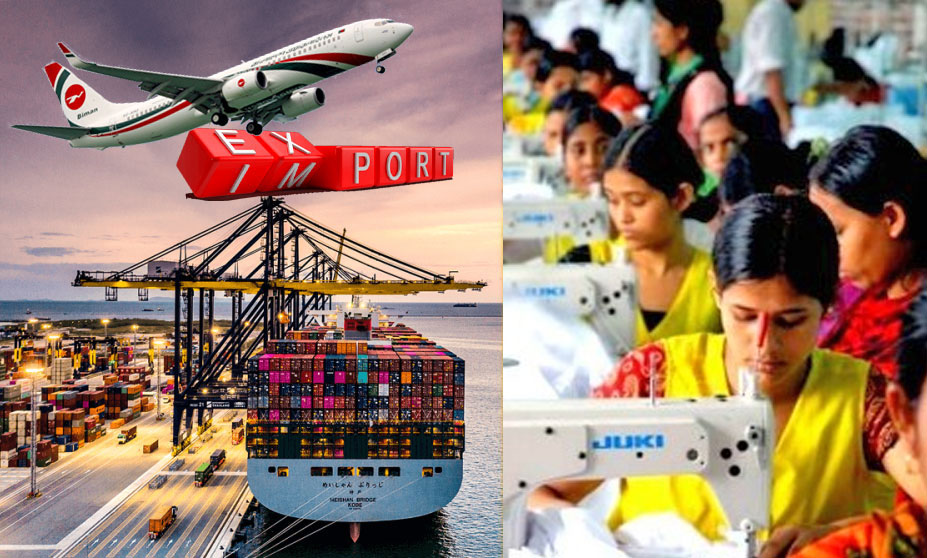
The immediate logistical fallout is already visible at the country’s maritime gateway. According to BKMEA’s Mohammad Hatem, numerous shipments of specialized knit fabrics have already arrived at Chattogram Port, with cargo languishing in open storage yards while exporters scramble to clear formalities initiated prior to the policy's enforcement. Enforcing the ban retrospectively risks strangling active export orders.
Compounding the crisis is a severe, chronic gas shortage that has already choked factory outputs across key industrial hubs. With local mills struggling to maintain steady production due to energy rationing, exporters argue that cutting off international fabric channels will only accelerate order cancellations and financial distress.
As policymakers look to steer the economy toward sustainable export growth, the brewing clash over the Import Policy Order underscores a delicate balancing act: shielding domestic upstream industries without inadvertently dismantling the very export machinery that keeps the nation's foreign currency reserves afloat.