
The government is moving forward with a long-term plan to install solar power systems across the country to strengthen national energy security, reduce dependence on fossil fuels, and boost environmentally friendly electricity generation.
Since assuming power, the incumbent BNP government has issued directives to install solar panels on the rooftops of various structures, ranging from government buildings to market structures in rural areas.
Expanding the solar power sector also presents opportunities to develop domestic industries. If local entrepreneurs’ participation is increased in areas like solar panels, inverters, batteries, electrical equipment, cabling, and maintenance services, new employment opportunities will be created.
Officials from the Power Division said the country's electricity demand is rising annually. Simultaneously, fluctuations in international fuel prices and an import-dependent energy system lead to increased production costs and uncertainty in the power sector.
In this context, increasing electricity generation by harnessing locally available sunlight is viewed as a crucial strategy for ensuring long-term energy security, they said.
Power Division Secretary Mirana Mahrukh said, “The country’s electricity demand is steadily increasing. At the same time, we must prioritize energy security and environmental protection. For this reason, the government has adopted a long-term plan to boost the generation of renewable energy, including solar power.”
She added that alongside large-scale projects, emphasis is also being placed on expanding rooftop solar power systems.
The government’s Renewable Energy Policy sets targets to meet 20 percent of electricity demand from renewable sources by 2030 and 30 percent by 2040, she said.
Mahrukh said the Sustainable and Renewable Energy Development Authority (SREDA) has been entrusted with the vital responsibility of achieving these goals.
According to official data, the country's power generation capacity from renewable sources has already exceeded 1,700 megawatts, with solar power accounting for a significant portion of this total. Consequently, solar energy is viewed as a crucial source for future expansion.
Muzaffar Ahmed, Chairman of the Sustainable and Renewable Energy Development Authority (SREDA) said Bangladesh holds immense potential for solar power.
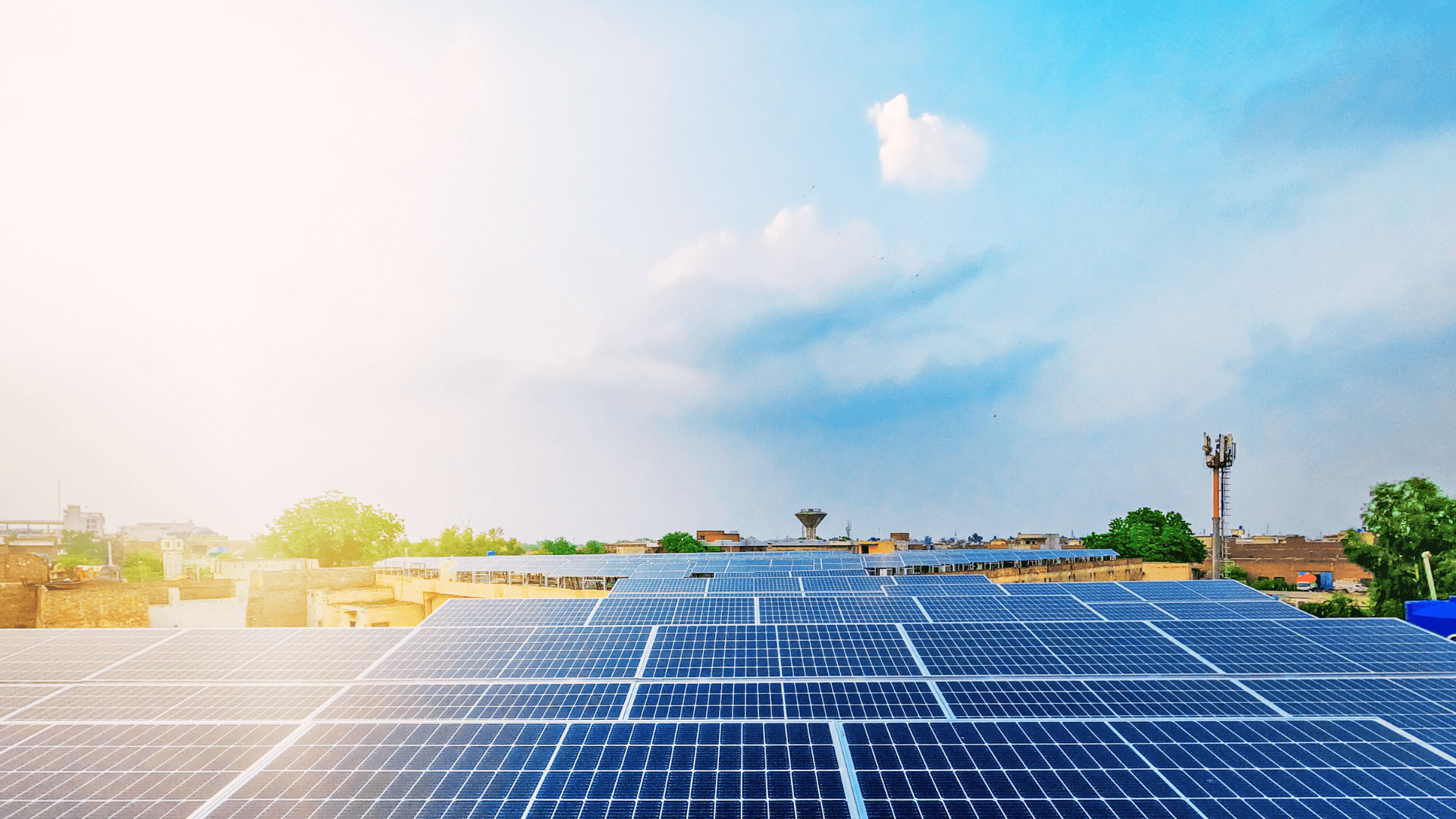
“In particular, if rooftop solar systems are widely expanded, it is possible to generate a significant amount of electricity without utilizing additional land,” he added.
He said consumers would also be engaged in renewable electricity generation through the expansion of net metering facilities. Rooftop solar power constitutes a key component of the government's solar energy strategy, he said.
The SREDA chairman said initiatives were taken to utilize the rooftops of various government buildings, educational institutions, healthcare facilities, industrial plants, and other establishments for power generation under the national rooftop solar program by 2025.
He said the program aims to generate between 2,000 and 3,000 megawatts of solar power. This approach would reduce the need for large-scale land acquisition and create opportunities for the generated electricity to be consumed directly by the respective buildings or institutions, he said.
Muzaffar Ahmed added that solar power systems have already been installed at different facilities under SREDA's net metering framework.
He said the net metering facility—which allows consumers to supply surplus electricity to the national grid—plays a vital role in expanding solar power usage. There is also significant scope to increase the adoption of rooftop solar systems in industrial factories, he said.
He further observed that electricity demand in industrial factories peaks during the daytime, coinciding with the period of maximum solar power generation.
So, he said, if industries generate electricity using their own rooftops, it could help reduce the demand placed on the national grid during the day.
He stated that initiatives have been taken to establish large-scale solar power plants alongside rooftop solar installations.
“Tenders have been invited for the implementation of multiple solar power projects across different regions of the country. Once implemented, these projects could significantly boost the supply of renewable electricity to the national grid,” he added.
Engineer Md Rezaul Karim, Chairman of the Bangladesh Power Development Board, told BSS that alongside increasing electricity generation from renewable sources, the capacity to reliably integrate that power into the national grid must also be enhanced.
Plans are being formulated to develop the necessary transmission infrastructure in alignment with these solar power projects, he said, adding that the government’s plan emphasizes private sector participation.
Since large-scale solar projects require massive investment, initiatives are underway to attract both domestic and foreign investors, Karim said.
There is significant scope to boost investment in this sector through long-term power purchase agreements, policy incentives, and an improved environment for project implementation, he said.
Mostafa Al Mahmud, president of the Bangladesh Sustainable and Renewable Energy Association, said there is immense potential for private investment in the solar power sector.
If long-term policy, rapid approvals, easy grid connectivity, and financing facilities are ensured for investors, even larger investments could flow into this sector, he said.
Solar power generation depends on sunlight and weather conditions; consequently, generation levels fluctuate throughout the day, he said.
According to official data released from the Power Development Board last May, the country's current solar power generation capacity connected to the national grid stands at 1,073.5 megawatts.
Additionally, there is an off-grid solar power capacity of 377.17 megawatts. The total installed solar power capacity in the country is about 1,450.67 megawatts.
There is a target to increase solar power generation capacity to 5,000 megawatts over the next five years. Goals have been set to meet 20 percent of the country's total electricity demand from renewable sources by 2030 and 30 percent by 2040.
Alongside solar power, other renewable energy sources like wind and hydropower will also play a role in achieving these targets.
Abdur Rashid Khan, Managing Director of Power Grid Bangladesh PLC, said adding large amounts of solar power into the national grid in the future will require the development of modern grid management systems, electricity storage solutions, and necessary transmission infrastructure.
To this end, he said, battery energy storage systems or electricity storage technologies are being incorporated into future plans.
The PLC managing director added that the effectiveness of solar power could be further enhanced by storing surplus energy generated during the day and utilizing it in the evening or at night.
Financial Mirror/AH