
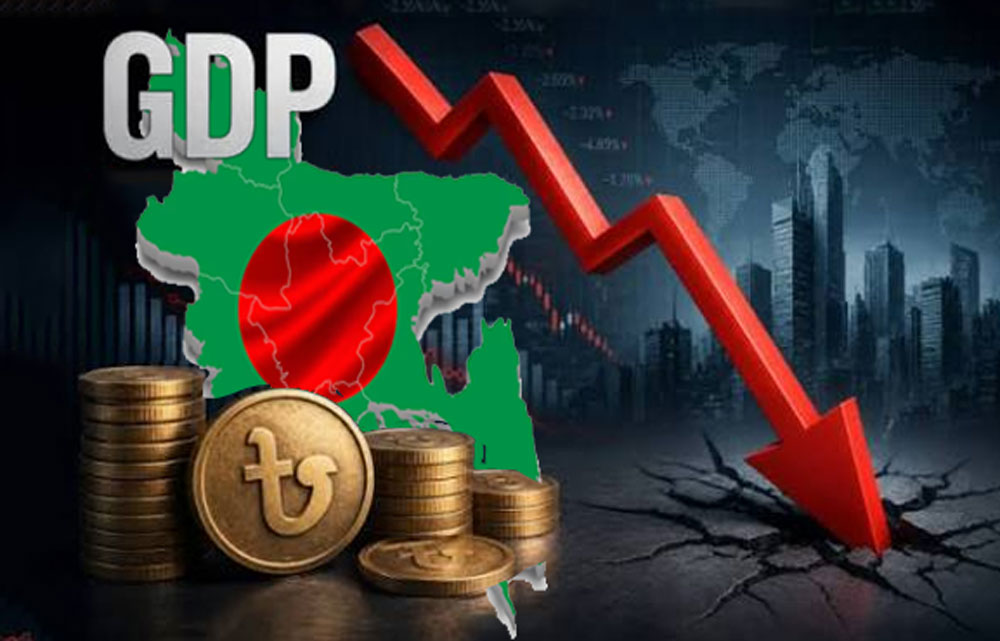
Bangladesh is facing a sharp economic slowdown driven by persistent energy shortages, a contraction in private investment, mounting banking sector vulnerabilities, and elevated inflationary pressures. According to the World Bank’s latest semi-annual report, Bangladesh Development Update: Make Subsidies and Social Protection Work Better for the Poor, real GDP growth slowed to 3.4% in the 2025–26 fiscal year.
This marks a continued decline from the 5.8pc growth recorded in FY2022–23, which moderated to 4.2pc and 3.5pc in subsequent years. Growth in the third quarter of the last fiscal year dropped to 2.2pc—the lowest quarterly expansion since the COVID-19 pandemic.
Key Economic Indicators at a Glance
| Indicator | Status / Figure | Key Takeaway |
| GDP Growth | 3.4 pc (FY2025–26) | Lowest level in 4 years (sank to 2.2% in Q3). |
| Investment | Private: -0.5pc | Public: -0.7pc | ADP execution hit historic lows amid mega project reviews. |
| Non-Performing Loans (NPLs) | 33.2pc (June 2026) | Stood at 58.9pc in Islamic banks and 43.2pc in state banks. |
| Average Inflation | 8.7% | Energy price hikes kept the cost of living high; real wages declined. |
| Poverty Rate | 22.5% (National Line) | The international poverty rate ($3/day) rose to 10.1%, adding 2.1 million people to poverty. |
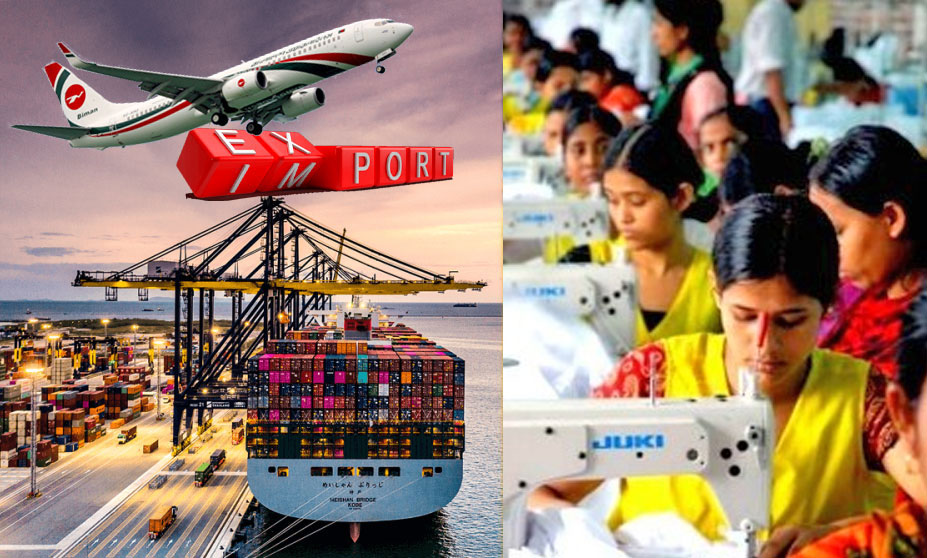
| Trade & Reserves | Exports: -4.8pc | Imports: +10.5pc | The current account deficit widened to $1.6B as petroleum import costs jumped 107pc. |
Industrial Strain and Energy Bottlenecks
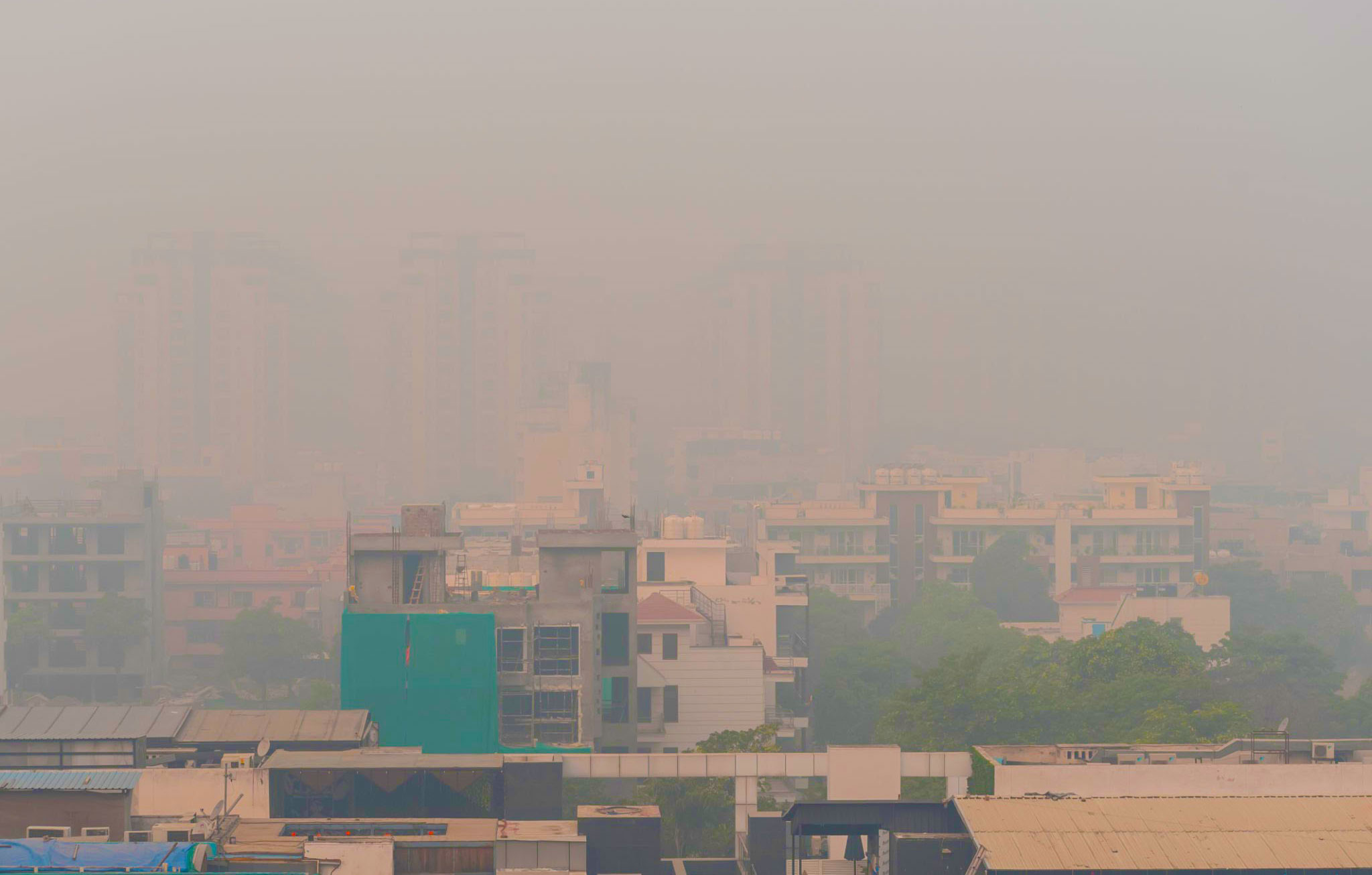
Severe shortages of gas and electricity forced industrial units across the country to operate below capacity, trim work shifts, or temporarily shut down operations. The industrial sector managed roughly 2% growth in FY2025–26, but industrial output contracted by 0.3% in the third quarter—the sector's first contraction since the pandemic.
While Bangladesh was virtually self-sufficient in gas until 2017, nearly one-third of current demand relies on imports. Operational disruptions at major gas fields or the floating LNG terminal in Maheshkhali immediately trigger widespread supply cuts. This strain has spilled over into the job market, driving female labor force participation down from 42.8pc in 2022 to 38.4pc in 2024.
Banking Vulnerabilities and Credit Market Distortions
The World Bank highlighted severe weaknesses in the financial sector as a central risk to the broader economy:
-
Escalating NPLs: Non-performing loans surged from 20.2pc in December 2024 to 33.2pc in June 2026.
-
Capital Deficits: The sector’s overall capital adequacy ratio sank to negative 2.6% in December 2025—far below the mandatory 10% threshold.
-
Liquidity Injections: Central bank uncollateralized liquidity support to weak institutions reached Tk 76,000 crore by June 2026.
-
Credit Imbalance: Private sector credit growth collapsed to a 33-year low of 4.5pc, while public sector credit growth surged to 30.4pc as government bank borrowing spiked to fund budget deficits.
Rising Poverty and Subsidies Misalignment
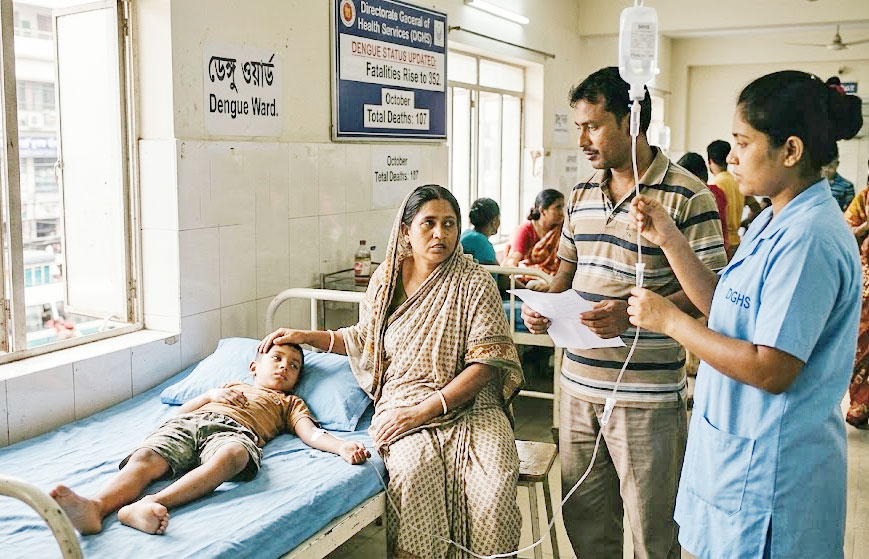
Although average inflation eased slightly from 10pc to 8.7pc, price hikes in fuel and electricity kept real wages negative for low-income workers. Driven by high inflation and stagnant growth, poverty at the international threshold ($3/day) increased to 10.1%, adding approximately 2.1 million (21 lakh) people to the impoverished population in a single year. National poverty reached 22.5pc.
The report noted that while government expenditure on social protection and energy subsidies remains high, inefficient targeting leaves poorer households excluded while wealthier households absorb a large share of benefits.
The World Bank's 3 Strategic Recommendations
-
Restore Banking Stability: Accelerate comprehensive asset quality reviews, enforce loss absorption on bank owners and stakeholders, and phase out regulatory forbearance and repeated concessions.
-
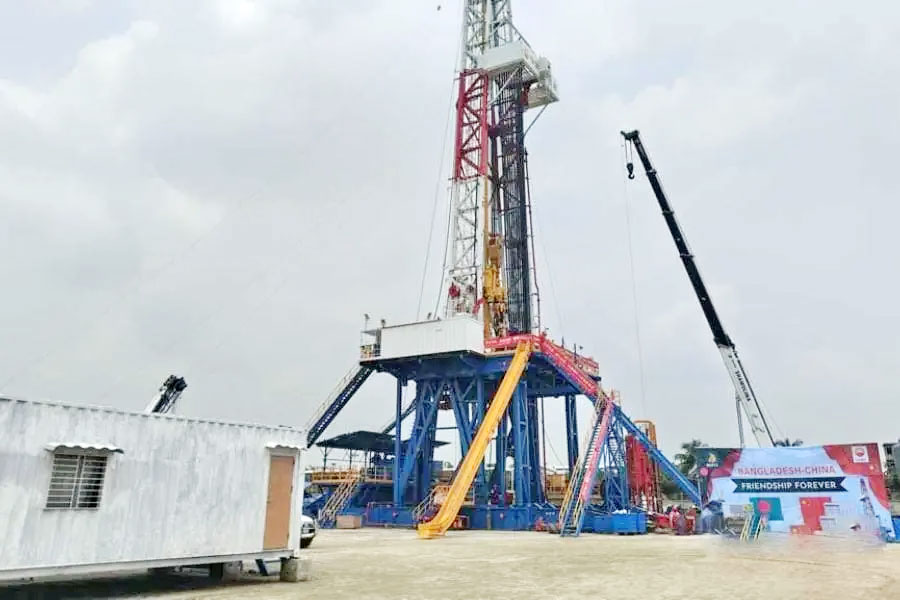
Enhance Energy Security: Expand domestic gas exploration and LNG infrastructure, modernize the power grid, invest in renewable power, and adopt transparent, competitive energy procurement.
-
Mobilize Domestic Revenue: Separate tax policy from tax administration, coordinate cross-agency data to curb tax evasion, and eliminate inefficient tax exemptions to expand the revenue base.
Financial Mirror/AH