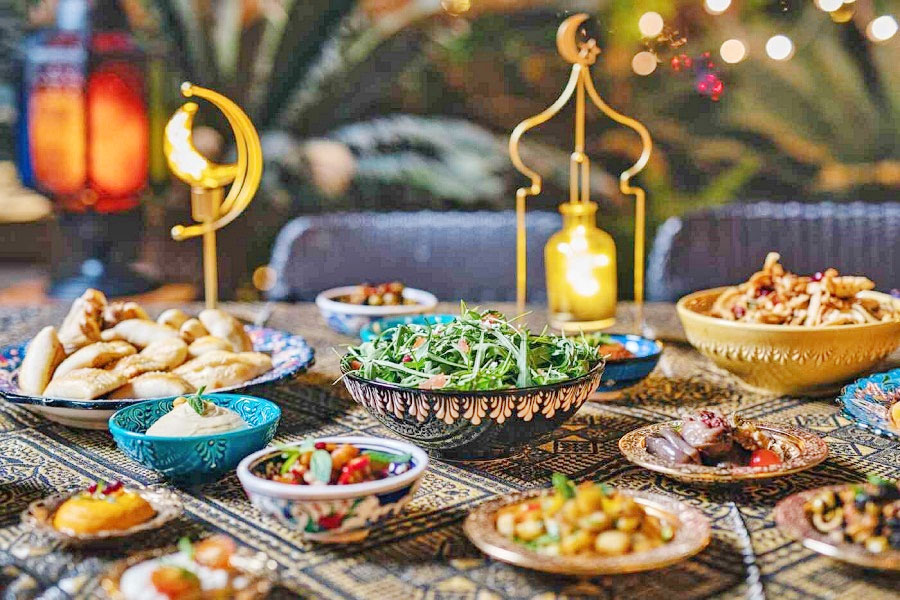
During the month of Ramadan, we fast all day and have various types of iftars. There are many delicious foods on our iftar plates such as But, Muri, Alur Chop, Peyaju, Beeguni, Jilapi, Haleem. During the month of Ramadan, we feel like we are competing with each other. Who can eat or cook as much as they want? But what happens to us after eating all these fried, spicy foods?
After fasting all day, our stomachs are very hungry and weak. Then what will happen if we eat so many spicy foods at once? Stomach problems, headaches, constipation, weakness, fatigue, ulcers, acidity, digestive problems, etc. will be the daily companions of fasting. Many people also gain weight.
The month of fasting is a month of moderation. From eating to exercising, everything in life should be regular, simple, and moderate. Many people think that if there is no fried food in iftar, it will not be iftar. But think about it, what will happen if we eat so much fried food? Food is a very important part of our life. If this is not right, then physical problems are bound to occur.
Another purpose of fasting is to stay fit, to stay away from diseases. So food should also be regular. So if you follow these diet tips, your body will feel much stronger.
How do you eat iftar?
1. Control yourself before Iftar | Start eating slowly |
2. First drink water or juice | Then eat dates or khorma | Then eat raw chickpeas and go to pray |
3. Then eat the rest of the food slowly.
4. You should eat with a little hunger rather than eating to your full stomach.
5. Then after half an hour you should drink water.
6. You can have tea one hour after iftar.
How do you eat your meals every day?
1. Eat in moderation even at Sehri.
2. It is not good to eat too much or not eat Sehri at all. If you do not eat Sehri, your body will become weak.
3. Eat three meals a day: iftar, dinner, and sehri.
4. Don't skip meals. You may become weak.
5. During the fasting month, you should measure calories and eat in moderation, just like during normal times.
6. Everyone should eat food according to their physical needs and calorie requirements in a normal manner.
7. Do not eat too much food or high-calorie food at once, as this can lead to weight gain, stomach problems, gastritis, etc.
8. Daily meals should be easily digestible, moderate, and according to one's physical needs.
What to eat, what not to eat
1. Dates or khorma should be eaten during Iftar. They contain carbohydrates, sugar, sodium, calcium, magnesium, phosphorus, iron, copper, sulfur, manganese, silicon, chlorine, and fiber, which are very useful after fasting all day.
2. Sugary foods should be avoided. It increases blood sugar levels very quickly and increases weight. Say goodbye to sugar.
3. You should eat vegetables and fruits regularly like every month. Otherwise, constipation will be your constant companion.
4. In this heat, if you don't drink at least 8 glasses of water, you will have digestive problems. From iftar until you go to bed, drink water, water, water, water, little by little.
5. You can also drink coconut water.
6. It is good to eat juice, it will not cause dehydration.
7. You can eat sugar-free juice of various fruits, lassi, isabgul juice, etc.
8. The food list should include foods from all groups: proteins, carbohydrates, fats, vitamins, milk, yogurt, minerals, fiber, etc. You should eat according to the rules. You should eat a balanced diet.
9. As always, eat less white sugar and more red sugar or complex carbohydrates (such as brown rice).
10. Fiber-rich foods such as red flour, nuts, beans, grains, chickpeas, pulses, etc. should be eaten. These are digested slowly, so you feel hungry after a long time. They do not increase blood sugar levels too quickly.
11. Balanced diet: Milk should be consumed daily.
12. It is good to eat raw chickpeas for iftar. However, it is not advisable to eat them roasted in oil.
13. The amount of tea and coffee should be reduced. Otherwise, it may cause dehydration, constipation, and sleep problems.
14. Eating milk-like foods like oats, corn flakes etc. during Sehri helps in slow digestion and reduces hunger.
15. Avoid fried, spicy foods such as: roasted chickpeas, onions, beeguni, chop, halima, biryani. However, you can eat homemade halima.
16. If you want to lose weight, you should eat less sugar, fill your stomach with non-meat and vegetables.
17. Try to eat fish at least once a day instead of eating meat every day.
18. Eat easily digestible foods, cold foods such as curd, chira. Then the delicate stomach that has been fasting all day will be able to digest food peacefully.
19. If you don't want to go to the land of constipation, you can eat Isabgol, with milk or juice. You can eat it at night.
20. If you feel very weak, you can drink coconut water or saline after iftar.
21. Diabetic patients should eat in moderation, as directed by their doctor.
Remember that if you avoid junk food during the month of fasting, eating a balanced diet will reduce excess body fat, reduce toxins, and increase fitness. Not eating all day will reduce excess body fat through the day's work. Then a balanced iftar will prepare the body again to increase fitness one step further in the coming days.
Financial Mirror/AH