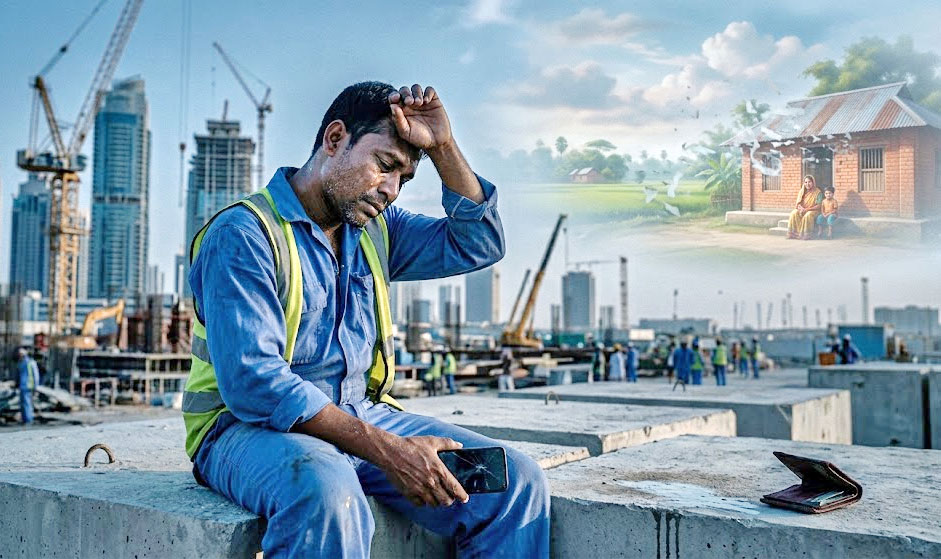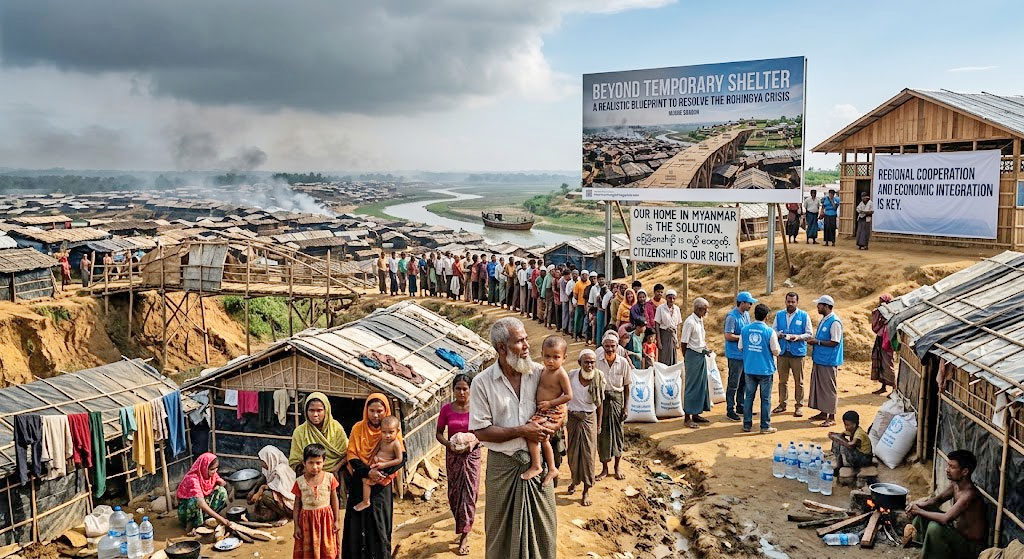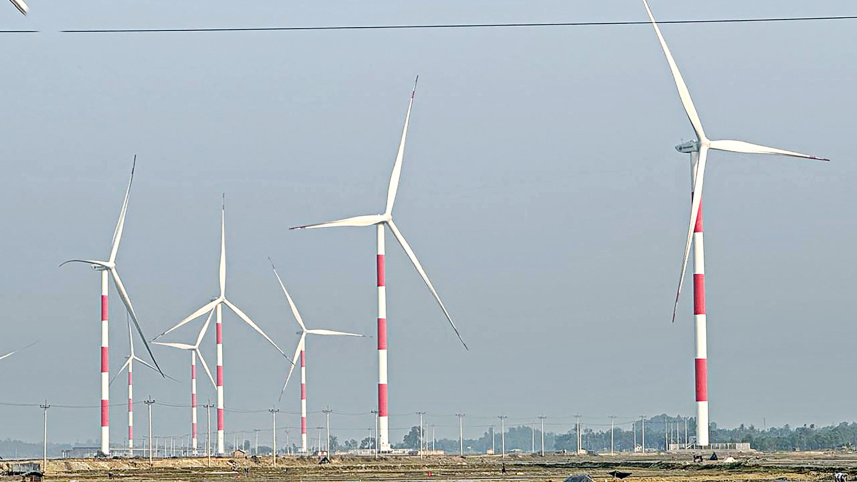

Bangladesh ranks at the very top among the countries at extreme risk of climate change. Torrential rain, flash floods, cyclones, and the prevalence of salinity in coastal areas are no longer new occurrences. Losing farmland and homes, thousands of people are displaced every year. Developing countries like Bangladesh are paying the price for the way over-reliance on fossil fuels such as coal, gas, and oil is fueling the global climate crisis.
In this critical situation, solar power has emerged as the only effective and sustainable solution to ensure the country's energy security and reduce carbon emissions.
Geographical Advantage & Huge Potential of Solar Energy
Bangladesh receives intense sunlight for most of the year. The geographical position of the country is highly suitable for solar power generation. Experts say that if the country's uncultivated land, char (riverine island) areas, and rooftops are properly utilized, a large portion of the national electricity demand can be met directly from the sun.
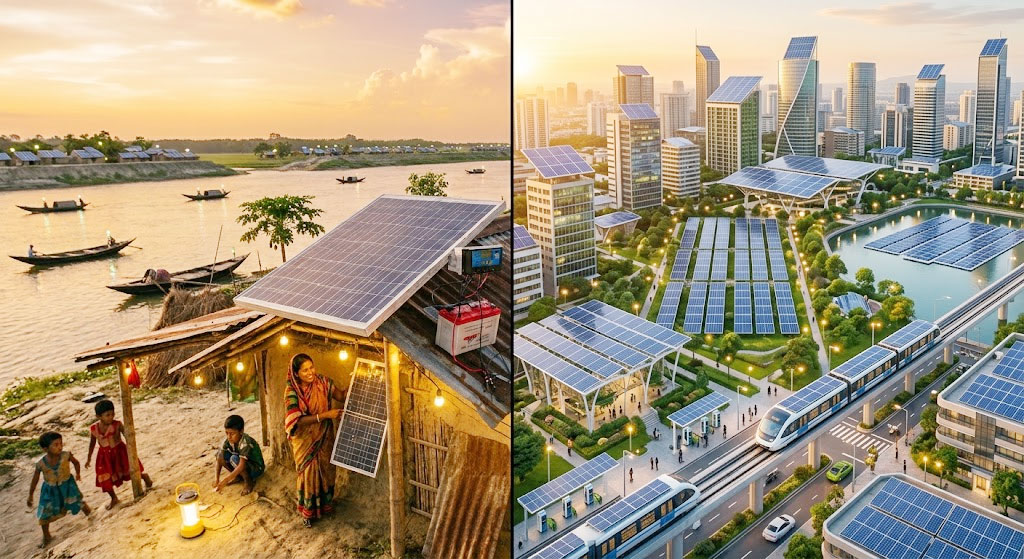
In remote and isolated char regions where the national grid has not yet reached, 'Home Solar Systems' have brought a revolutionary change to the lives of millions of people. From household lighting to small businesses and children's education, solar panels have provided a guarantee of uninterrupted light.
Innovation in Rooftop Solar & Agricultural Sector
Currently, the use of 'rooftop solar' on urban high-rise buildings and solar-powered irrigation pumps in the agricultural sector is growing rapidly.
- Industrial and Residential Rooftops: Empty rooftops of factories and large buildings are being utilized to generate electricity through 'net metering', significantly reducing pressure on the national grid.
- Solar Irrigation Pumps: Previously, diesel-powered irrigation pumps in agriculture caused environmental pollution and additional expenses. As a result of using solar irrigation pumps, dependence on diesel is decreasing on one hand, and farmers' production costs are being significantly reduced on the other.
Where the Challenges Lie
Despite the immense potential of solar power, some practical and economic challenges remain major obstacles:
Scarcity of Land: Establishing a solar power plant (Solar Park) requires a vast piece of land. In densely populated Bangladesh, acquiring land for a solar park while protecting agricultural land is quite difficult.
High Initial Cost: The initial cost of solar panels and high-quality batteries is very high. Although it is cost-effective in the long run, initial investment remains challenging for general consumers and small entrepreneurs.
Lack of Technical Expertise: There is a lack of adequate skilled workforce in the country for maintaining modern solar grids and panels.
The Path Forward: Right Policies and Investment
To combat the disasters of climate change, the government needs to provide more policy support and create easy financing opportunities for the expansion of solar power. Duty exemptions on rooftop solar systems, modernization of floating solar technology, and access to low-interest loans can accelerate this sector even further.
Reducing reliance on coal and gas and moving decisively towards renewable energy like solar power is the demand of the time. For a resilient Bangladesh enduring the impacts of climate change, these clean rays of sunlight can show the way to the future.
Financial Mirror/AH