
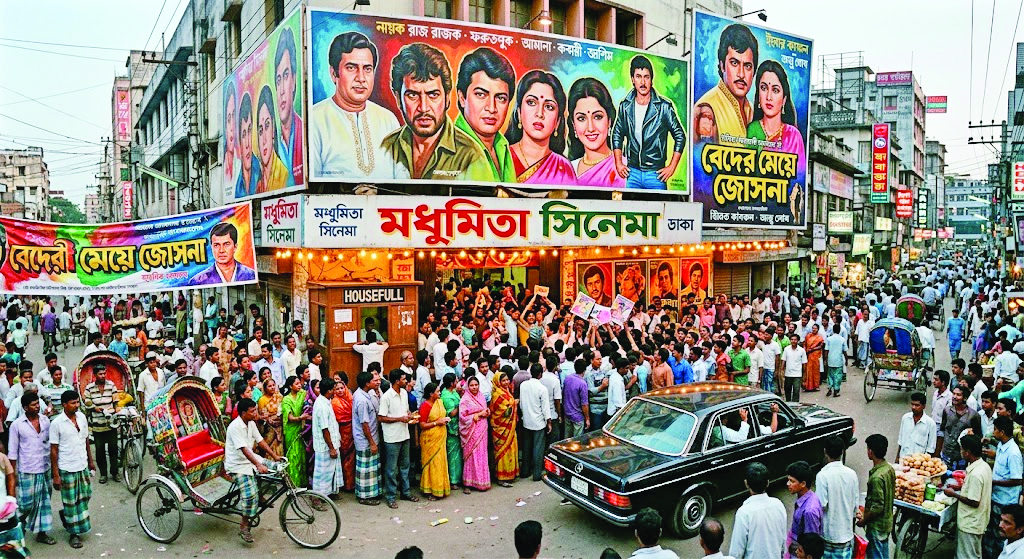
Long before digital multiplexes, 4K streaming platforms, and social media feeds flattened the mystique of fame, the 1980s stood as the undisputed golden age of Bangladeshi commercial cinema. It was a decade defined by towering single-screen picture halls, hand-painted cutouts that scaled urban skylines, and a brand of cinema so visceral that a single whistle from the balcony could shake the dust from the rafters. At the heart of this theatrical universe were the 80s superstars—larger-than-life icons whose onscreen heroics and captivating screen presence mirrored the hopes, struggles, and romantic fantasies of an entire nation.
The decade belonged to an extraordinary pantheon of talent. Nayak Raj Razzak, transitioning smoothly from his youthful romantic reign of the late 60s and 70s, assumed the role of the dignified patriarch and seasoned hero, bringing unmatched gravitas to family melodramas like Bhat De and ChhutirGhonta. Beside him stood Farooque, the quintessential "Mia Bhai," whose rugged portrayal of rural resistance in films like SajaboSamrajjo gave voice to working-class defiance. Bulbul Ahmed brought refined theatrical elegance and intense emotional complexity to the screen, while rising powerhouses like Alamgir, Jashim, and Ilias Kanchan reshaped the box office. Jashim single-handedly pioneered high-octane action, bringing martial arts and raw physical stunts into mainstream scripts, while Ilias Kanchan’s legendary turn in BederMeyeJosna created the highest-grossing cinematic phenomenon in Bangladesh’s history.
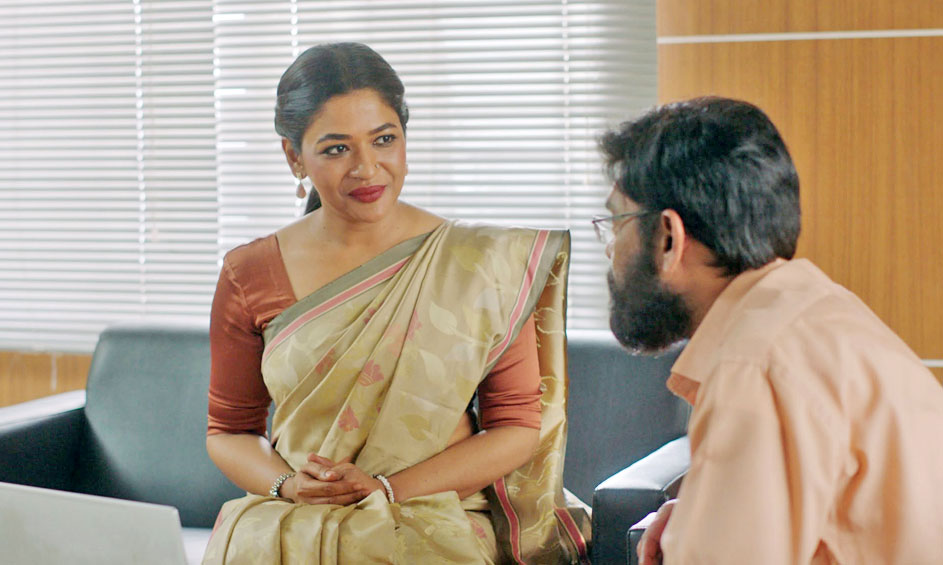
Equal partners in this silver-screen dominance were the formidable heroines of the era, whose expressive performances and staggering screen presence drove box-office receipts just as powerfully as their male counterparts. Shabana reigned supreme as the emotional core of family melodramas, delivering tear-jerking performances in films like Bhat De that resonated with millions of women across urban and rural Bangladesh. Alongside her, Kabori continued her legendary run with her signature sweet-girl charm and effortless romantic chemistry, while Rozina brought a modern, glamorous edge to commercial blockbusters. Champa emerged as a versatile powerhouse, seamlessly bridging commercial hits with critically acclaimed parallel cinema, while Anju Ghosh etched her name into cinematic history through her iconic portrayal in BederMeyeJosna, creating a cultural sensation that swept across the entire subcontinent.
Behind the glittering velvet curtain, the lifestyle of an 80s superstar was a relentless blur of physical exhaustion, analog glamour, and unyielding public devotion. Unlike modern actors who focus on one film at a time, 80s icons routinely worked triple shifts every single day. An actor or actress would shoot an emotional courtroom scene at FDC (Film Development Corporation) in Tejgaon during the morning, rush across town to execute an intense rooftop sequence by afternoon, and wrap up the midnight hours dancing under colored gel lights for a lavish song sequence.
Without social media to demystify their daily routines, superstars lived in a state of mythical isolation. They resided in grand suburban residences behind heavy gates, surrounded by vintage sedans, classic Mercedes-Benzes, and dedicated retinues of spot boys, makeup artists, and loyal crew members who functioned as extended families. When a superstar stepped out into public without security, entire city blocks would grind to a halt. Airport arrivals turned into spontaneous parades, and fan mail arrived not in digital inboxes, but in heavy burlap sacks delivered daily to studio gates.
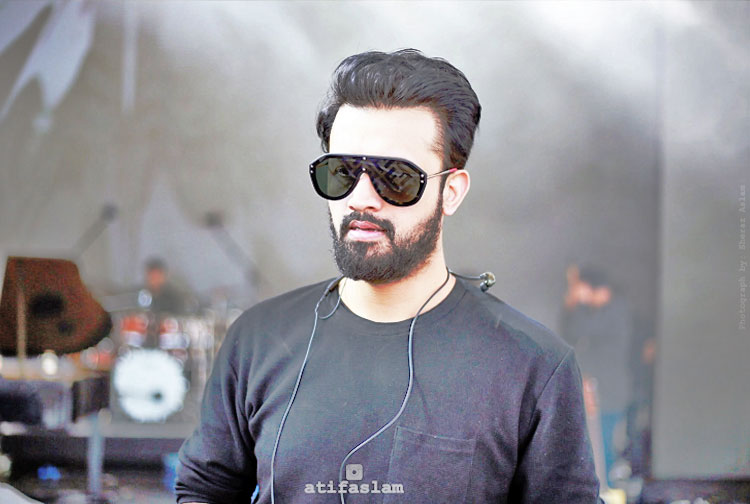
Their personal style dictated the fashion of the era. Puffy leather jackets, oversized tinted aviators, elegant chiffon sarees, and bold patterned silk outfits worn on screen instantly became the street fashion of urban youth. To millions of moviegoers, these actors and actresses were not merely performing roles written on paper—they were living out the collective dreams of a generation, carving an indelible legacy into the celluloid history of South Asian cinema.