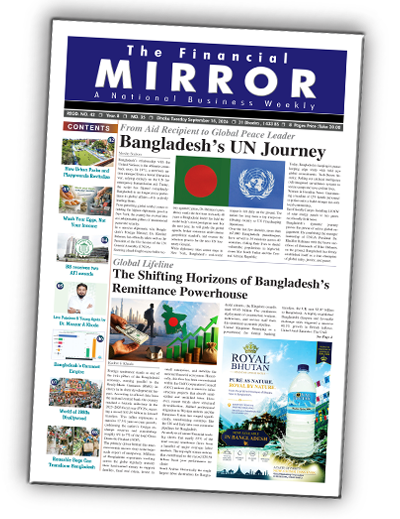

Foreign remittance stands as one of the twin pillars of the Bangladeshi economy, running parallel to the Ready-Made Garments (RMG) industry in its sheer developmental impact. According to official data from the national central bank, the country reached a historic milestone in the 2025–2026 fiscal year (FY26), securing a record $35.59 billion in inward transfers. This influx represents a massive 17.3% year-on-year growth, cushioning the nation’s foreign exchange reserves and constituting roughly 6% to 7% of the total Gross Domestic Product (GDP).
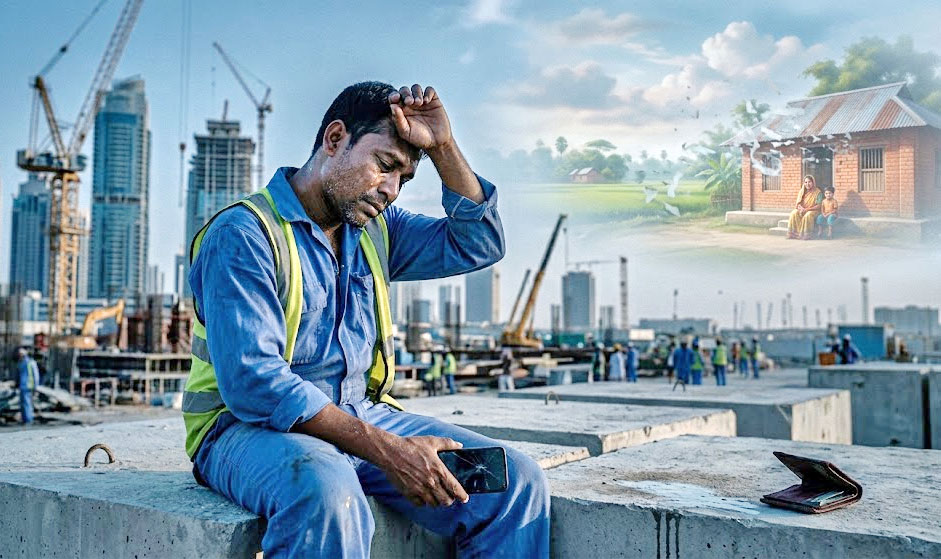
The primary driver behind this macroeconomic success story is the large-scale export of manpower. Millions of Bangladeshi expatriates working across the globe regularly transfer their hard-earned money to support families, fund real estate, invest in small enterprises, and stabilize the national financial ecosystem. Historically, this flow has been concentrated within the Gulf Cooperation Council (GCC) nations due to massive infrastructure projects that absorb semi-skilled and unskilled labor. However, recent trends show structural diversification. Skilled professional migration to Western nations and the European Union has surged significantly, transforming countries like the UK and Italy into core economic pipelines for Bangladesh.
An analysis of annual financial tracking shows that nearly 87% of the total inward remittance flows from a handful of major overseas labor markets. The top eight source nations that contributed to the record $35.59 billion fiscal year performance include:
Saudi Arabia: Historically the single largest labor destination for Bangladeshi citizens, the Kingdom contributed $5.85 billion. The continuous deployment of construction workers, technicians, and service staff fuels this dominant economic pipeline.
United Kingdom: Emerging as a powerhouse for formal banking transfers, the UK sent $5.07 billion to Bangladesh. A highly established Bangladeshi diaspora and favorable exchange rates triggered a massive 60.1% growth in British inflows.United Arab Emirates: The UAE holds its place as a top-tier source, remitting $4.58 billion. Existing workers in logistics, retail, and construction continue to transmit vast sums through formal banking systems.
Malaysia: A crucial hub in Southeast Asia, Malaysia contributed $3.40 billion. The country remains a primary destination for manufacturing, plantation, and service sector employees.
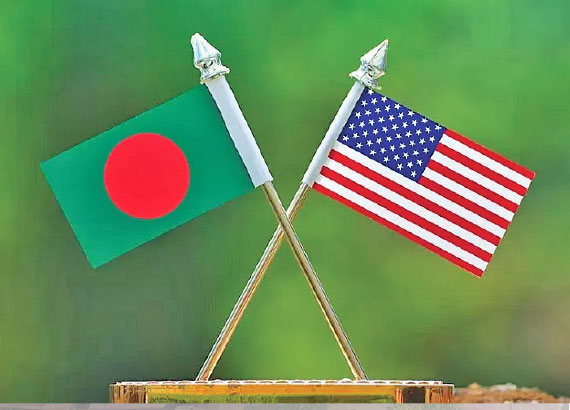
United States: Institutional financial monitoring recorded $3.01 billion in remittance inflows from the US. While this represents a drop from previous fiscal years, white-collar professionals and business owners living in North America remain a structural pillar of the financial reserve.
Italy: Leading the European Union block, Italy brought in $2.05 billion. Italy’s agricultural, hospitality, and seasonal worker programs have successfully legalised and absorbed thousands of Bangladeshi workers over the last decade.
Oman: Tied closely with European inflows, Oman remitted $2.048 billion. The GCC country continues to recruit blue-collar workers for its expansive infrastructure and municipal projects.
Kuwait: Rounding out the top eight, Kuwait provided $1.76 billion to the national economy. Remittance flows here have remained steady, backed by institutional job markets in medical assistance, security, and specialized transport.
While the continuous flow of money has successfully insulated families against global inflation, international migration agencies highlight that structural challenges remain. High migration costs, the prevalence of informal illegal networks (like hundi), and a high proportion of unskilled workers over skilled professionals limit the full earning potential of the diaspora.
Moving forward, expanding technical and vocational training programs will be vital. By upgrading the skills of outbound workers, Bangladesh can transition from sending low-wage laborers to deploying high-value professionals globally, ensuring that this vital economic lifeline maintains its upward momentum for decades to come.