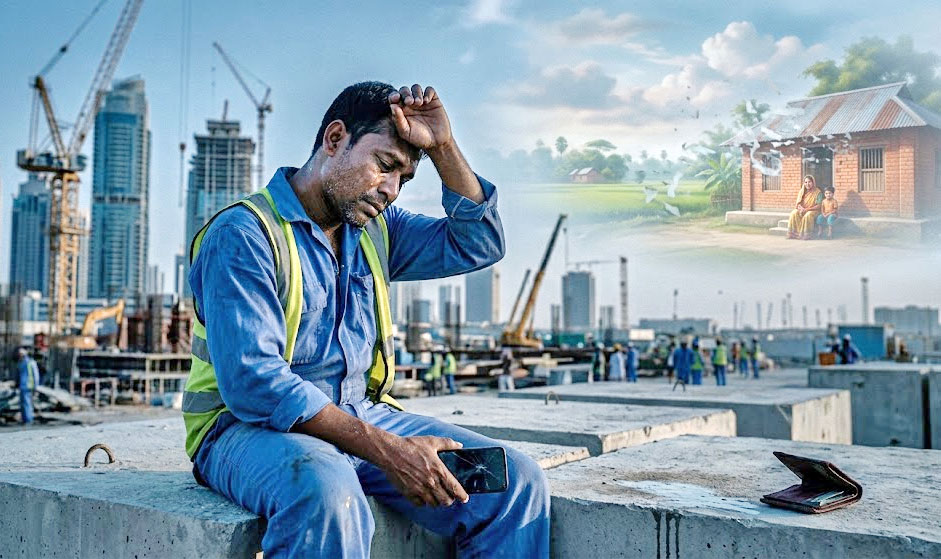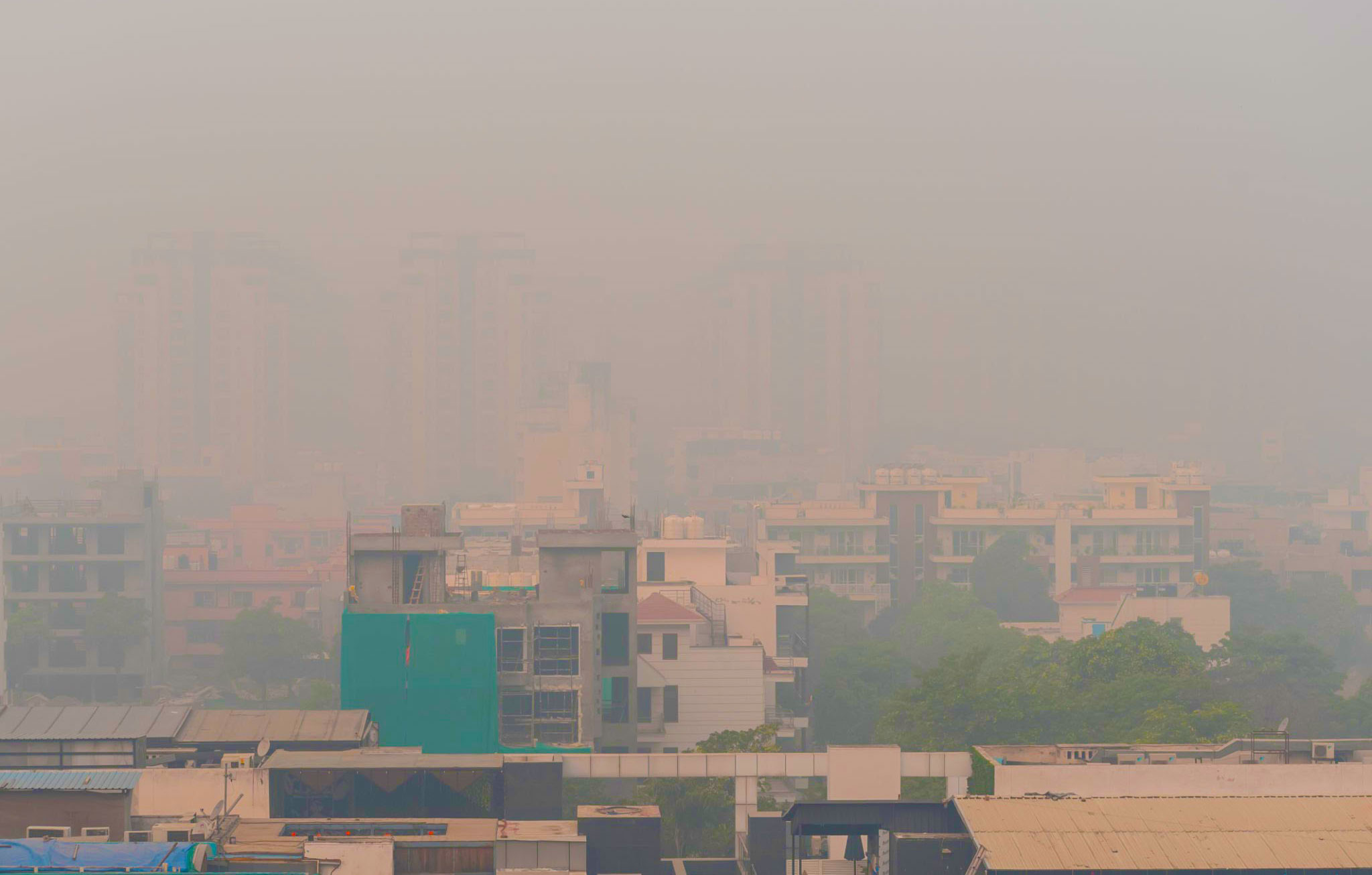

From the bustling streets of Dhaka and the factory lines of Gazipur to the northern agrarian heartland, the steady roar of diesel generators has become Bangladesh’s inescapable background noise. What used to be a manageable, seasonal patch of load-shedding has hardened into a chronic energy crisis. Daily life now bends around an unreliable power grid, straining the national economy, crippling essential public services, and laying bare deep structural weaknesses in the country’s energy network.
1. The Anatomy of the Power Shortfall
Bangladesh has plenty of power plants on paper, with total capacity easily surpassing peak national demand. In reality, that capacity means little when the fuel runs dry. The root of the grid crisis isn't a lack of infrastructure, but a severe fuel shortage exacerbated by financial strain and logistical bottlenecks.

Because domestic natural gas fields are rapidly depleting, Bangladesh relies heavily on imported Liquefied Natural Gas (LNG) to fuel its power sector. Whenever global LNG prices surge or offshore Floating Storage and Regasification Units (FSRUs) hit technical, maintenance, or weather delays, gas deliveries plummet. Plants capable of generating thousands of megawatts are left sitting completely idle or running at a fraction of their intended output.
Fiscal Pressures and Reserve Constraints
Dwindling foreign currency reserves have crippled Bangladesh’s ability to buy primary fuels—such as spot-market LNG, coal, and heavy fuel oil—on global markets. Compounding the issue, unpaid bills owed to independent power producers (IPPs) and cross-border energy vendors have forced plants to scale back operations and cut electricity imports.
On top of fuel scarcity, the national grid itself remains a major weak point. Aging transmission lines paired with manual dispatch controls make the entire network prone to voltage sags, sudden frequency shifts, and widespread domino-effect blackouts.
2. Real-World Fallout across Key Sectors
Daily, multi-hour blackouts hit far harder than just turning off the lights at home; they inflict severe financial and human damage across every core sector:
Garment Manufacturing (RMG): As the country's primary export engine, apparel factories depend on uninterrupted power. Frequent grid failures force plants onto expensive diesel backup generators, driving up operating costs, shrinking profit margins, and threatening international shipment deadlines.
Agriculture & Farming: Power outages disrupt vital irrigation and aquaculture systems in rural regions. Coastal shrimp farmers face total harvest losses when outages stop electric aerators during heatwaves, while rice farmers struggle with interrupted pumping schedules during critical planting cycles.
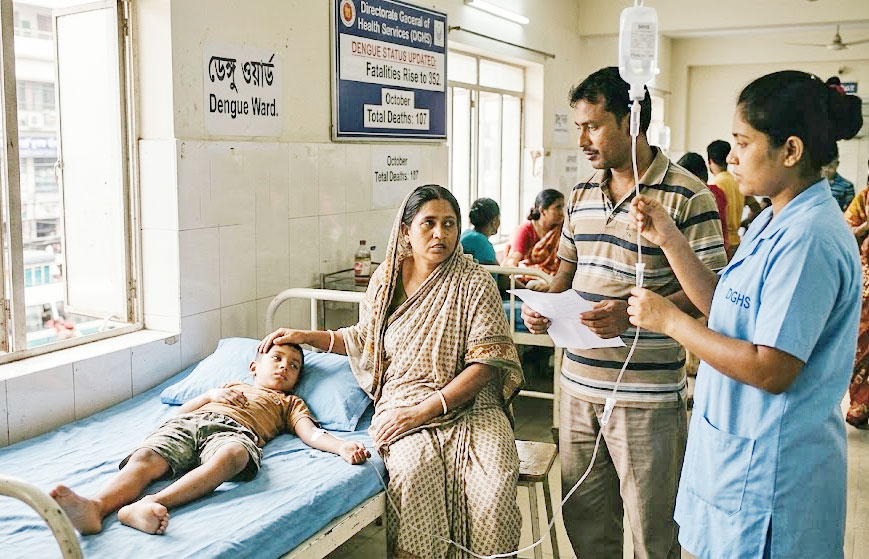
Healthcare & Public Services: While major city hospitals rely on heavy-duty backup generators, smaller municipal clinics and rural health centers face crippling fuel expenses just to keep basic equipment running. Meanwhile, students outside major cities suffer constant study disruptions under unreliable lighting.
Structural Solutions for Long-Term Energy Security
Resolving Bangladesh’s blackout crisis requires moving past short-term load-shedding schedules and tackling the root causes of supply instability. A balanced, multi-pronged energy strategy offers a clear pathway forward:
Urgent Financial Clearing and Fuel Prioritization
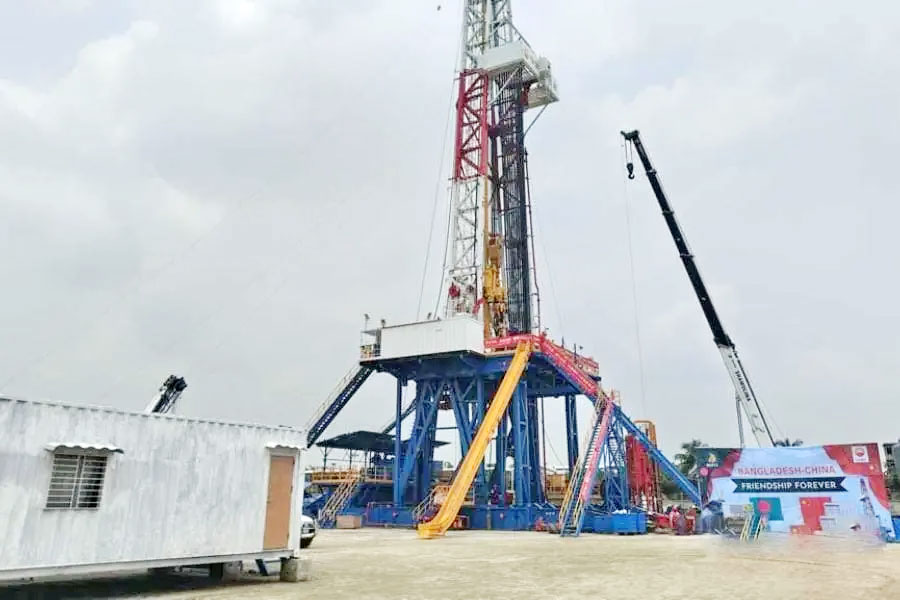
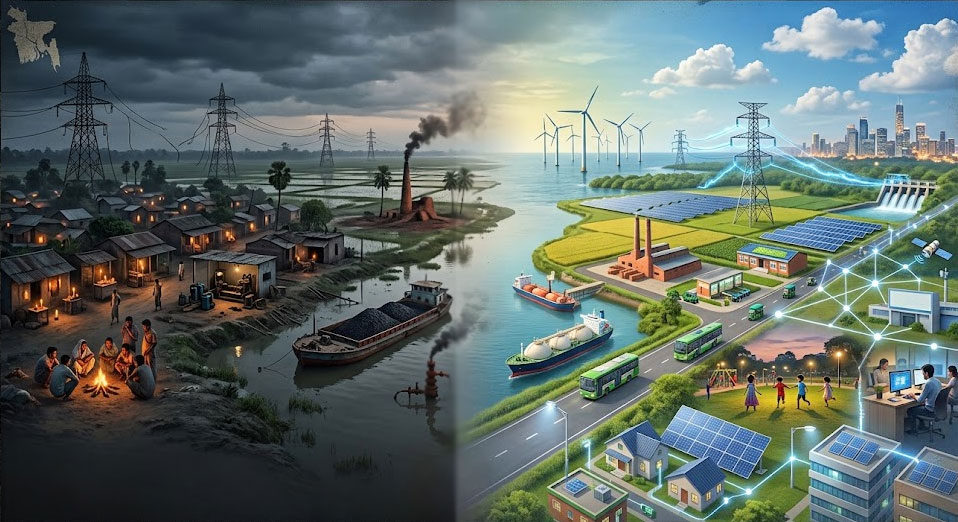
"Fixing Bangladesh's power crisis requires a clear roadmap: start by settling unpaid power-sector debts to get fuel flowing back to idle gas and coal plants. For medium- and long-term security, Bangladesh must fast-track onshore and Bay of Bengal gas exploration to end its risky reliance on imported LNG, while upgrading PGCB’s grid infrastructure with automated SCADA systems to prevent widespread blackouts. Finally, pairing utility-scale and rooftop solar with battery storage will handle heavy daytime factory loads, saving precious natural gas reserves for the evening peak."
Regional Power Cooperation
Expanding cross-border energy trading within South Asia offers a cost-effective safety net. Expanding regional hydro-power imports from neighboring nations during summer months can help balance seasonal supply fluctuations without overburdening fossil-fuel infrastructure.
Conclusion
While Bangladesh’s power crisis presents a complex challenge, it remains entirely solvable through targeted, long-term action. Stabilizing the national grid requires moving past simple capacity expansion to focus on core structural reforms: securing primary fuel supplies, automating grid operations, and accelerating renewable energy diversification. Restoring reliable electricity to homes, schools, and industrial hubs is essential to sustaining the country's economic growth and freeing its citizens from the burden of chronic blackouts.